

Explore Transylvanian village life from the medieval age to today
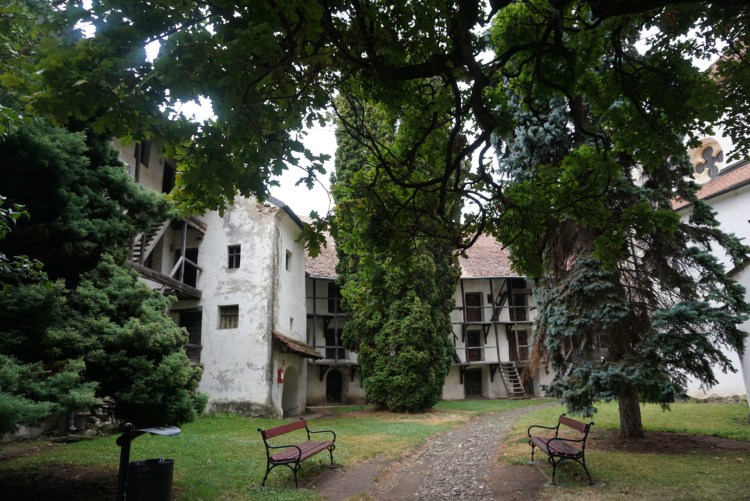
As I clutch onto an ancient wooden balcony rail ten feet above the ground; I readdress my expectations of international health and safety standards. With a false sense of fear, I look out to a ringed building which despite being open reminds me of a prison. I fully expect the wet wooden beams to collapse underneath me, I stumble when I realise that I am not falling to meet the grass.
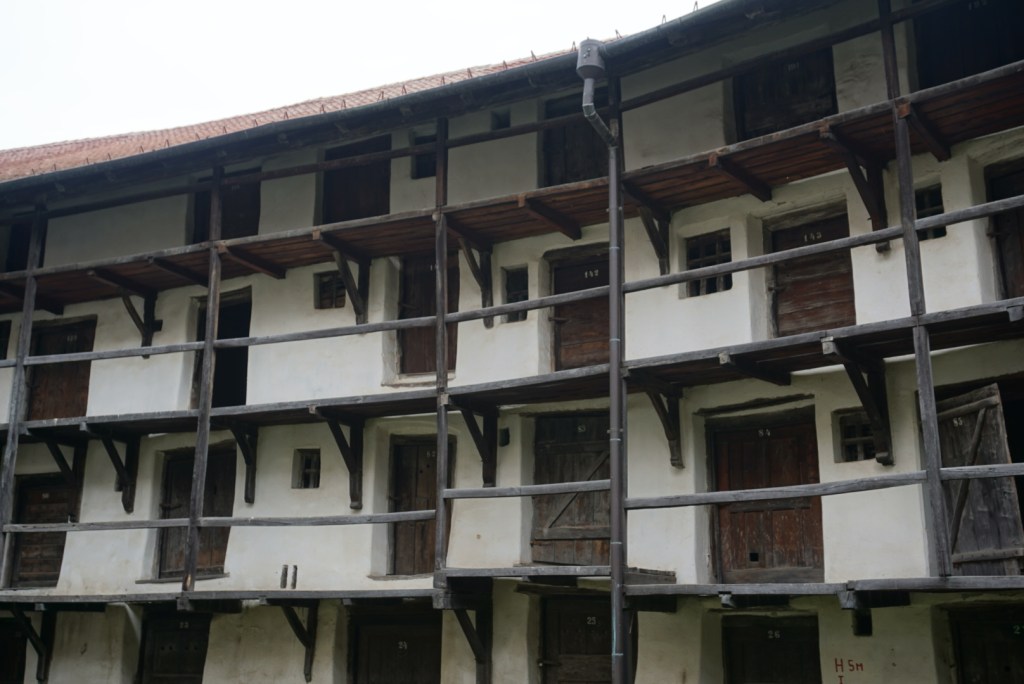
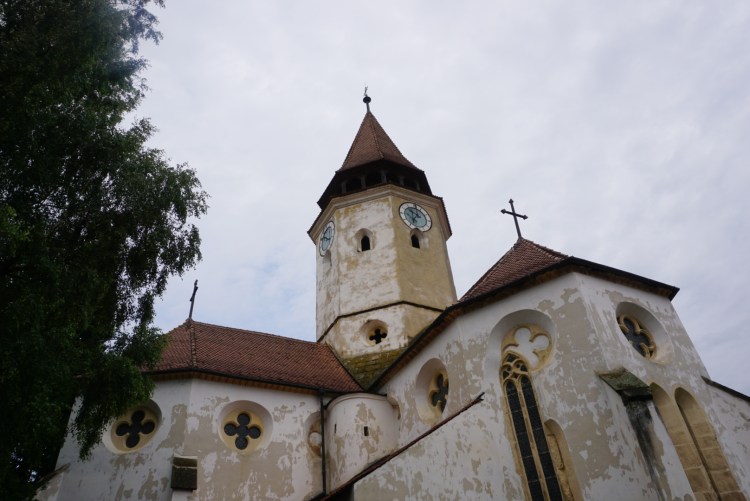
I’m at the largest fortified church in Southeast Europe in the town of Prejmer, Northeast of Brasov, one of seven UNESCO world heritage sites throughout Transylvania.
Medieval Prejmer
Prejmer was first documented in the 13th century as a Saxon settlement. Saxons from modern-day Luxembourg settled here and developed the Transylvanian Saxon language. The language is closer to Dutch and Flemish than German. Despite the language being alive for centuries it is now starting to die out and could be dead by the end of the century. as younger generations are opting to learn more widely spoken languages.
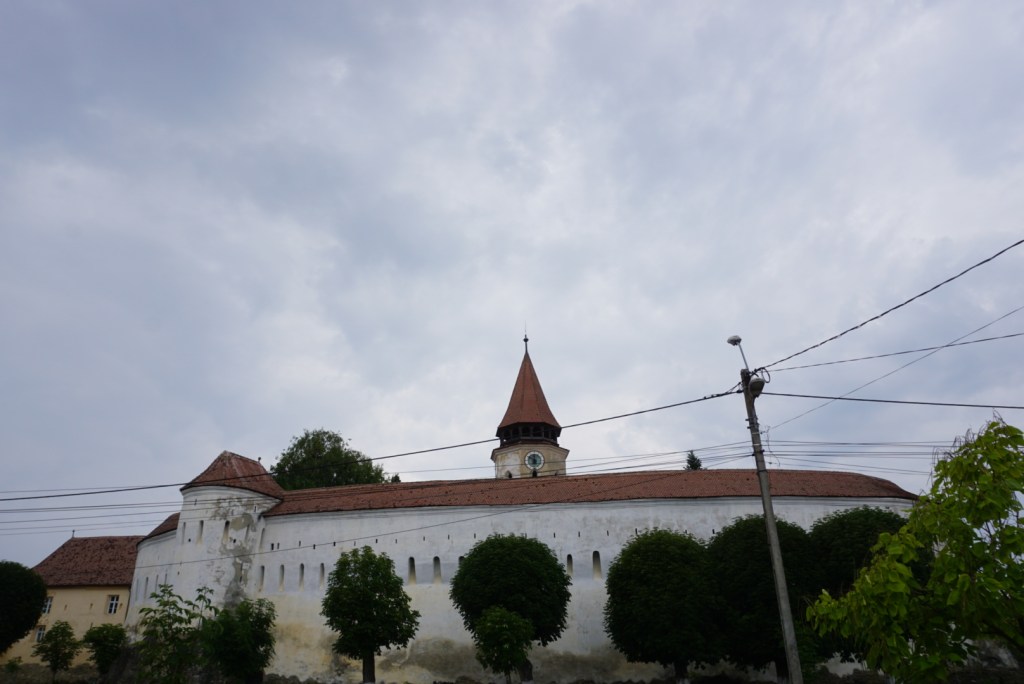
Given Prejmer’s position as the first settlement on the Buzau pass from Brasov, settlers built one of the strongest defence walls in Transylvania. The ringed defensive wall was built in the 14th century standing at 14 metres high and five metres thick at the base. The ringed fortress was home to over 200 families each of who had a storeroom across four levels.
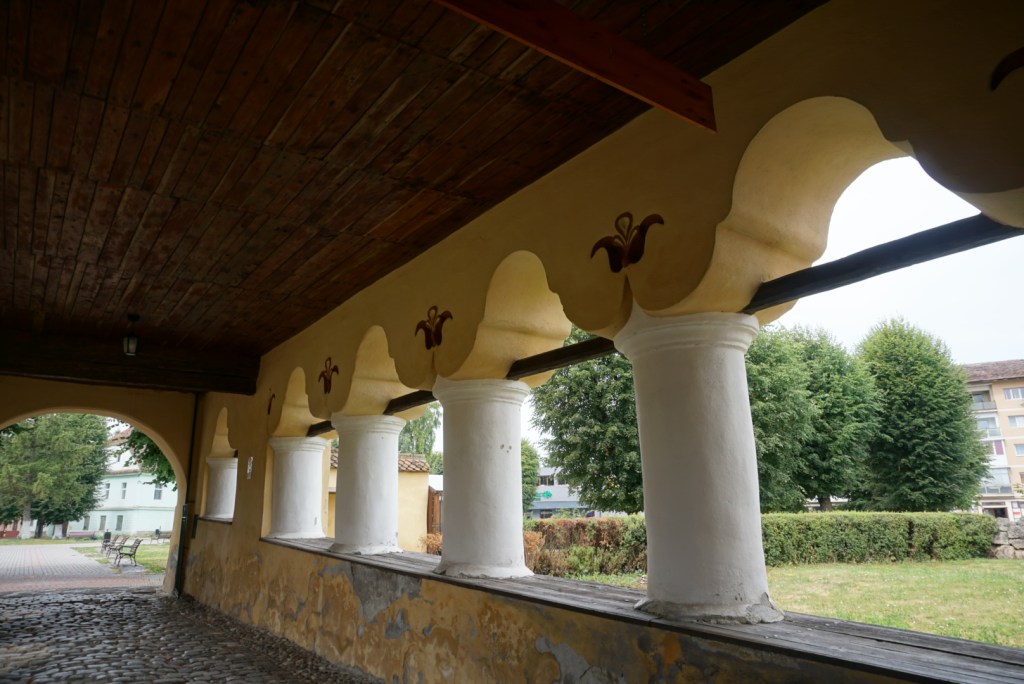
Today the building maintains the historical character of the period. The top floor was a defensive path called the watch road where the resident peasants became warriors when needed.
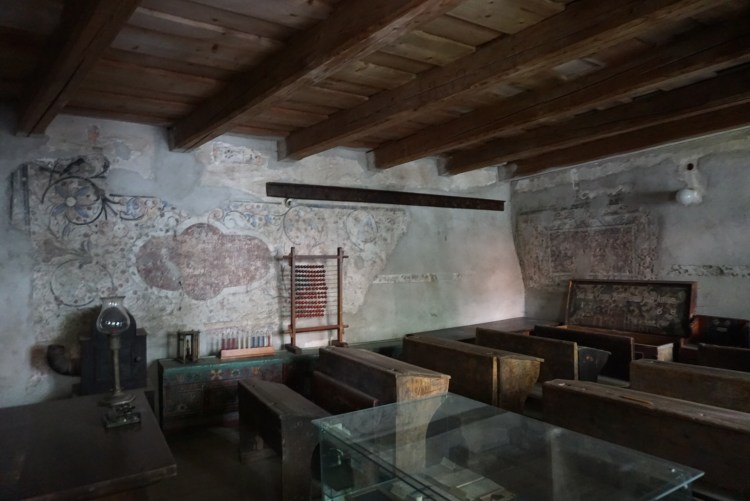
The Church
The Kitherian The layout of the church in a Greek cross style (four equal arms) is unique to Transylvania, with four equal arms, a shape usually found in Byzantine architecture.
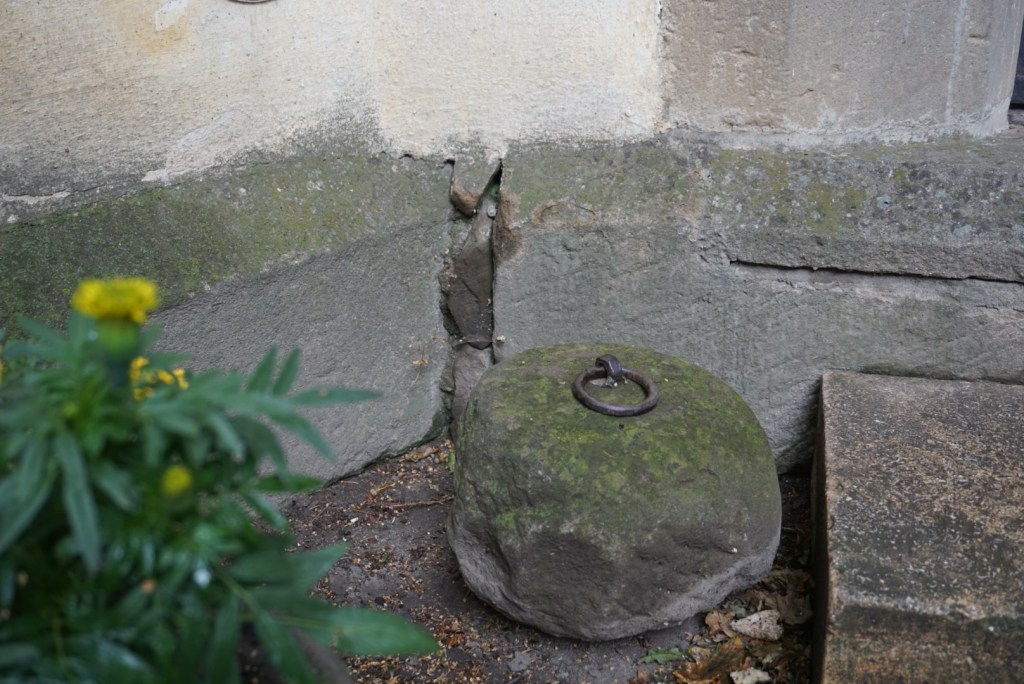
A stark reminder of the period and the church’s lack of gender equality is the rock of shame, at the left of the entrance to the church. Weighing around 50kg used to shame adulterous women on Sundays until the mid-19th century. When asked why men were not also punished, a local priest allegedly said: “Where would we be able to gather so many rocks?”
Prejmer Today
Despite a bus load of tourists entering just after me and the UNESCO status, the citadel is relatively quiet. Prejmer isn’t a tourist town like Bran or other villages with such historical significance. This adds to its charm as a visitor, but the town isn’t benefiting much from tourism. In 2019 around 100,000 tourists visited but this had little impact on the town.
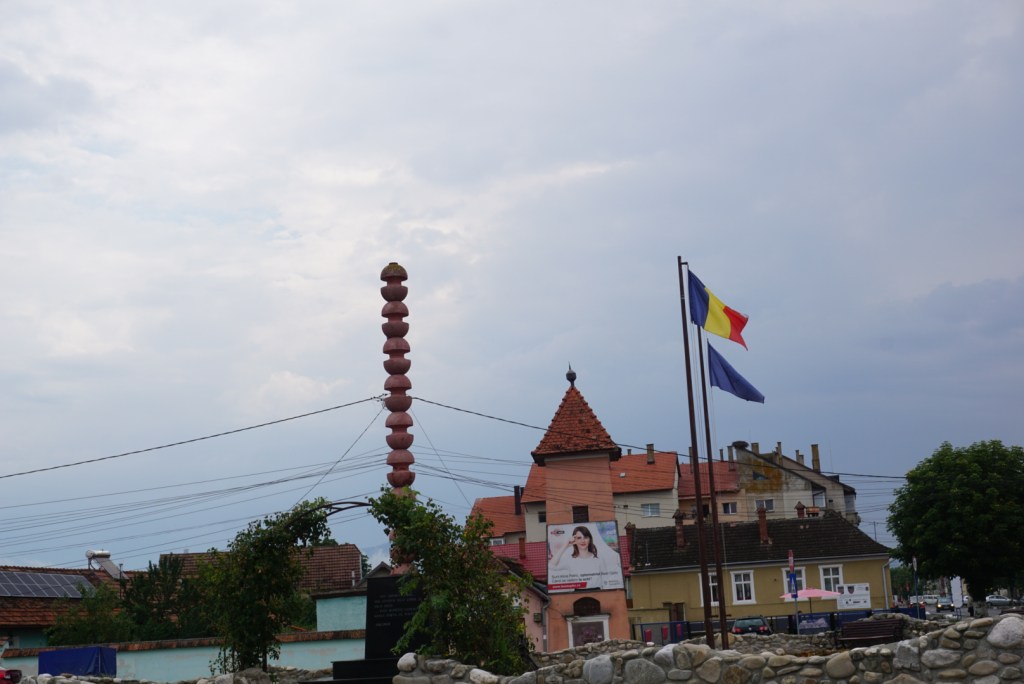
Local guest house owner, Otto Vasarhelly, said: “It’s a problem because a lot of tourists come by bus, around 40 people and we don’t have any big hotels or guest houses. They only stay for an hour or two because they don’t have a place to stay, eat or drink”.
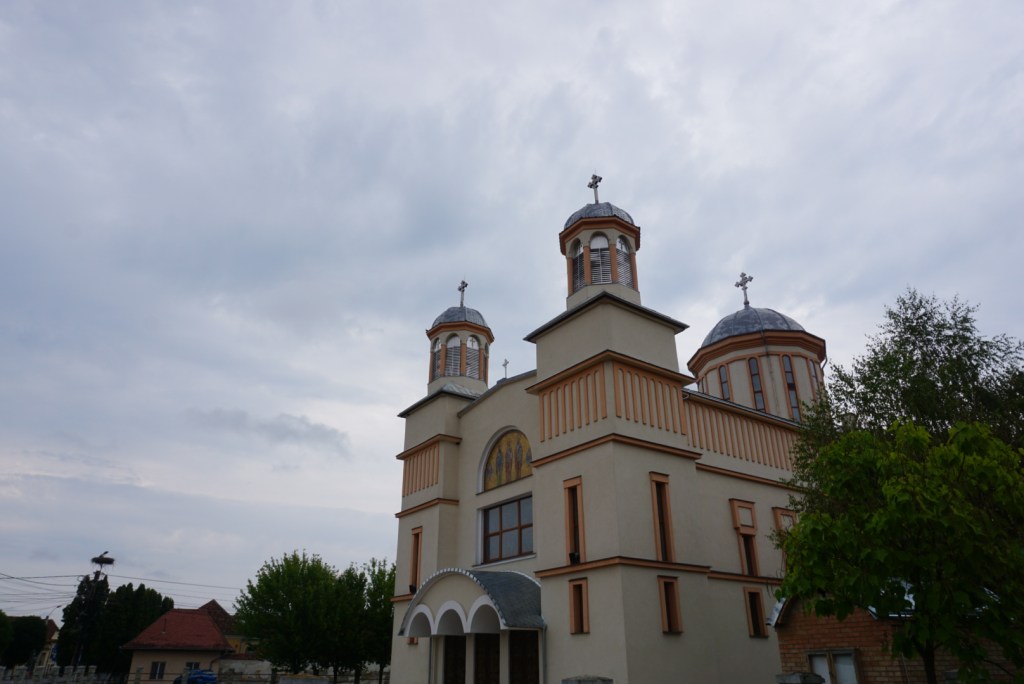
Today, only a handful of the current population, around 10,000, is of Saxon heritage and even this is a mix of either Romanian and Hungarian.
Storks nesting in usual places such as on top of lampposts or chimneys is a common site in many Transylvanian villages. They are a symbol of positivity and are most commonly associated with the birth of a child. In Prejmer they can be found nesting near the fortified church.

The collapse of communism in 1990 had a big impact on the population of Prejmer with around 95 per cent of the population emigrating to Germany.
Vasarhelly said: “It’s not just one neighbour goes and another comes. The whole street goes and you have a whole street with new neighbours in three months. It was too radical”.
How to get to Prejmer
From Brasov catch a bus on the hour from Autogare Vest. The bus runs every 30 minutes during term time. The bus takes approximately 30 minutes.
Admission for the fortied church is 15 lei. Card is accepted. For opening hours and more information: https://romaniatourism.com/castles-fortresses-romania-prejmer-fortified-church.html
To visit

 Lucette Wood
One thought on “Prejmer Postcard”