
Transylvania evokes images of Gothic castles, grand forests and of course vampires. The region spans over 100,000 km², covering over 40% of Romania. Yet few chose to visit more than the tiny area around “Dracula’s” castle, which is a slither of what Transylvania has to offer.
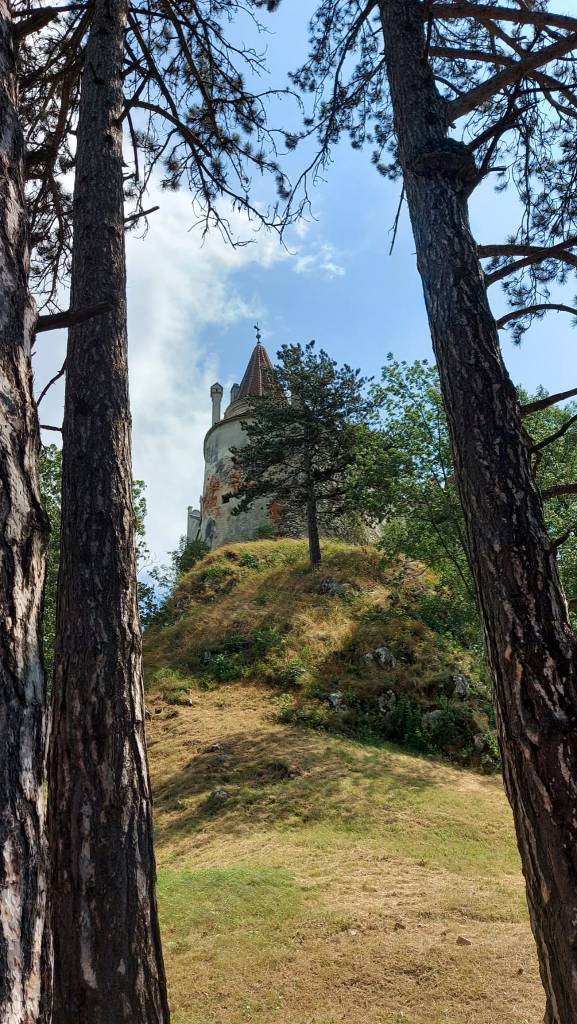
Whilst the character Dracula was a figment of Bram Stoker’s imagination, the bloodthirsty villain was based on a real person. Vlad Dracuulea III of Walachia was a 15th-century military leader who resided in Bran castle for a brief period. He was known as Vlad the Impaler for the cruel punishments he inflicted on his enemies.
Brasov

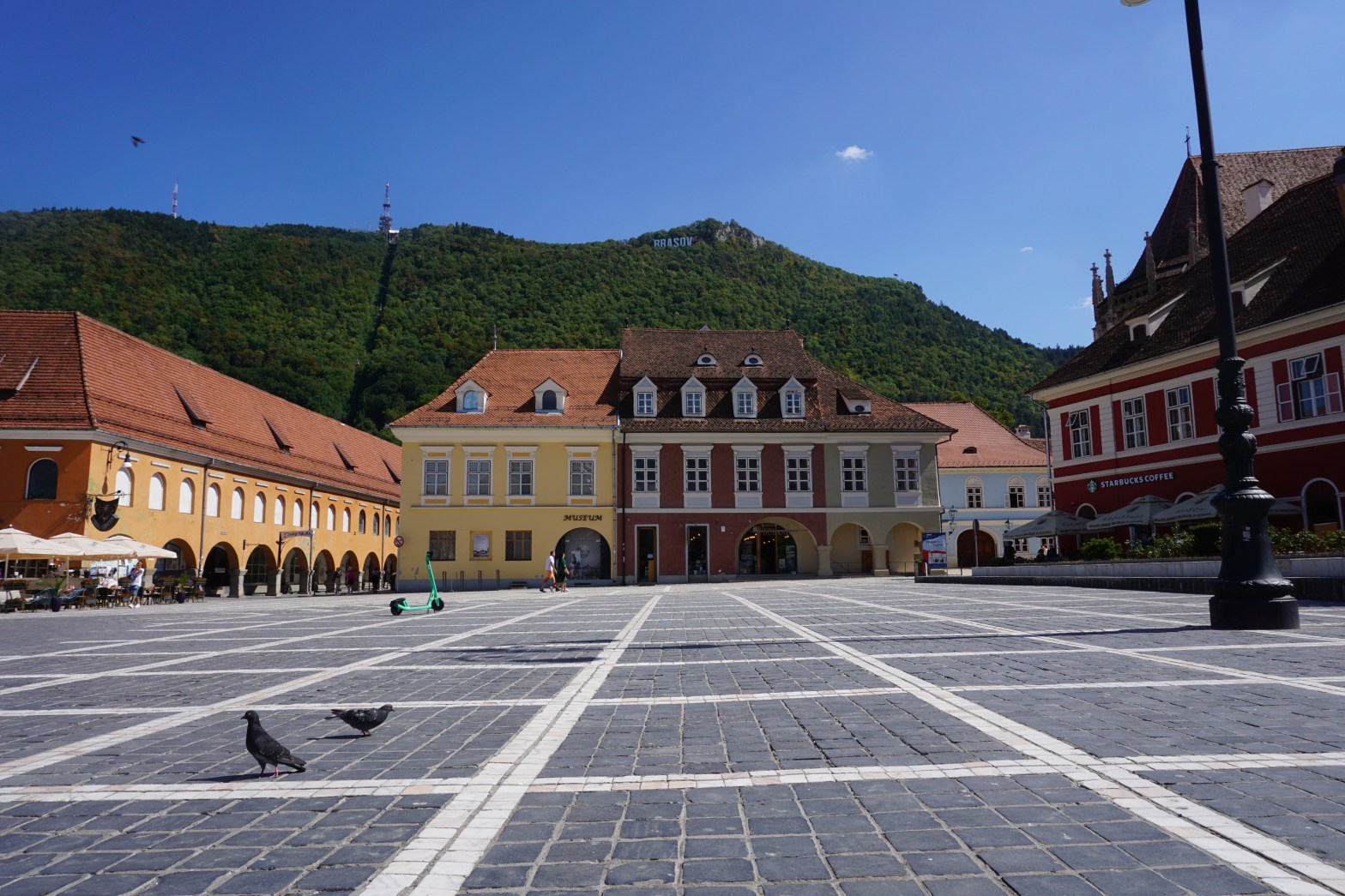
The city of Brasov tends to be in the traveller’s consciousness just as the closest biggest city to Dracula’s castle but Brasov is a destination in its own right. Mount Tampa looms over the city with its Hollywood-style city sign on the side of a forested mountain inhabited by bears. Brasov is deceptively large, feeling more like a small village than a large sprawling city.
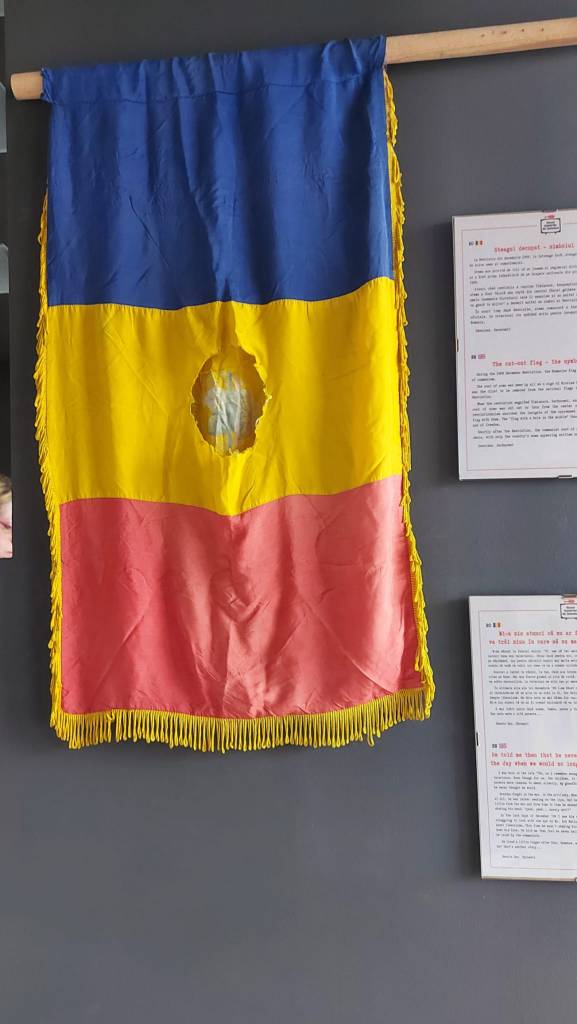
Piata Sfatuliu (the main square) is the nerve centre of the city hosting markets, concerts and even traditional dance classes. Historically the square hosted more morbid events such as tortures and is said to have had Europe’s last witch burning. If you are more interested in more modern history, The Tales of Communism Museum is well worth a visit telling the personal stories of those living under Ceaseascu’s rule.

Sibiu
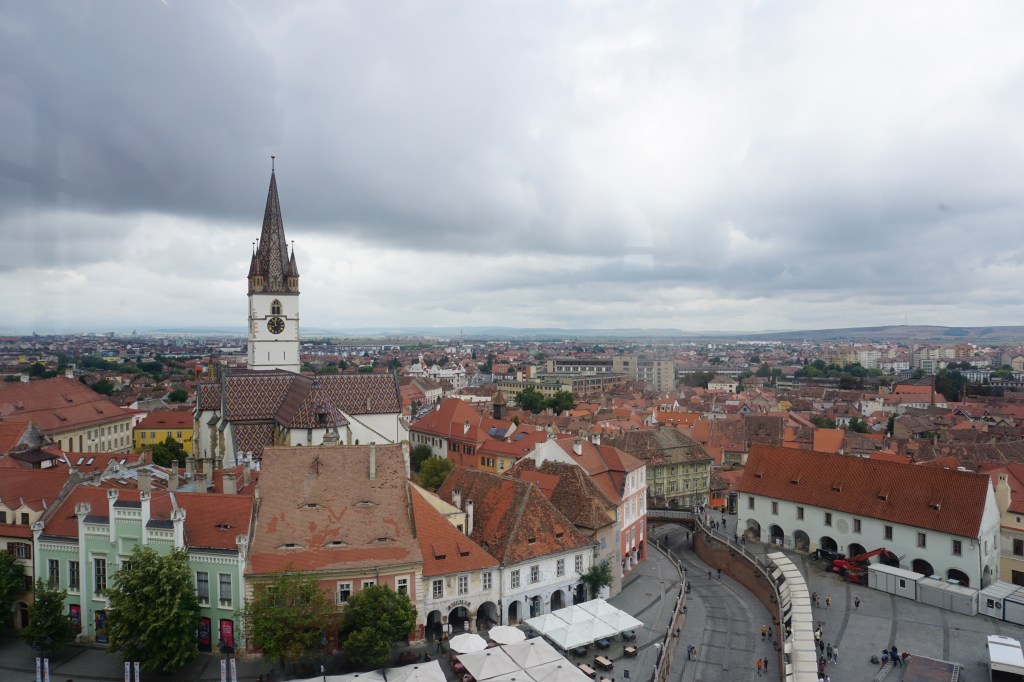
The charming walled city of Sibiu was crowned Europe’s capital of culture in 2007. It’s easy to see why with abundant exhibitions and festivals, buzzing market squares and precipitous stairways cutting into the old city walls.
Climb the numerous and narrow steps to the top of Turnul Sfatului (Council Tower) and get a postcard-perfect vista of the old town. As you admire the view you may begin to feel as if you are being watched. The windows of Sibiu’s roofs can be easily mistaken for eyelids from afar with their almond forms and duality.
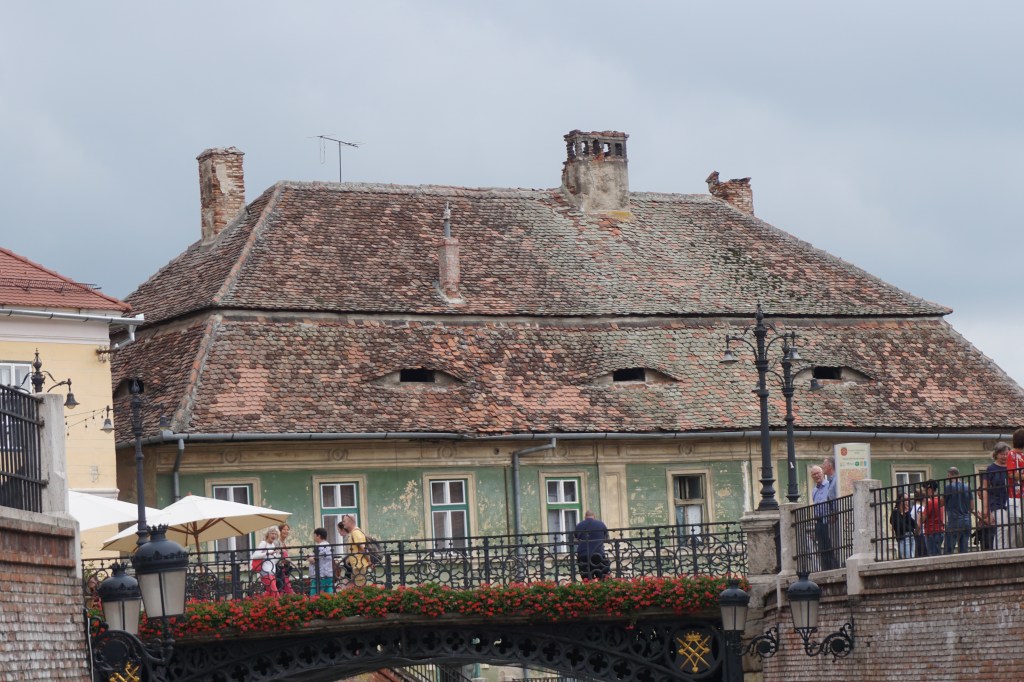
Within the old town is a small pedestrian 16th-century iron bridge entangled with flowers also known as ‘the bridge of lies’, named after market thieves who frequented the bridge. The legend is if you tell a lie whilst standing on the bridge it will creak and you will be punished by the spirits of the thieves.
Sighisoara
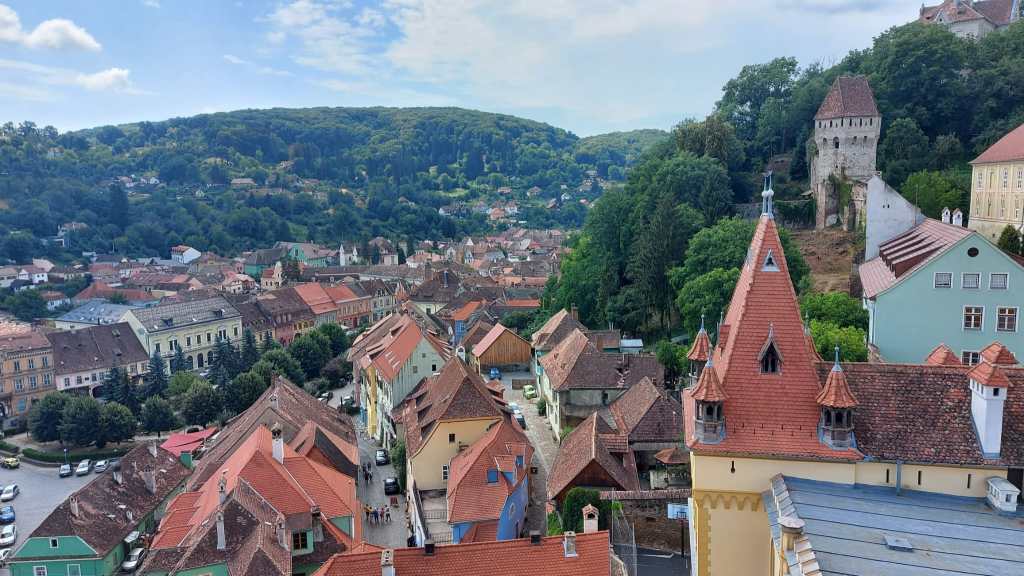
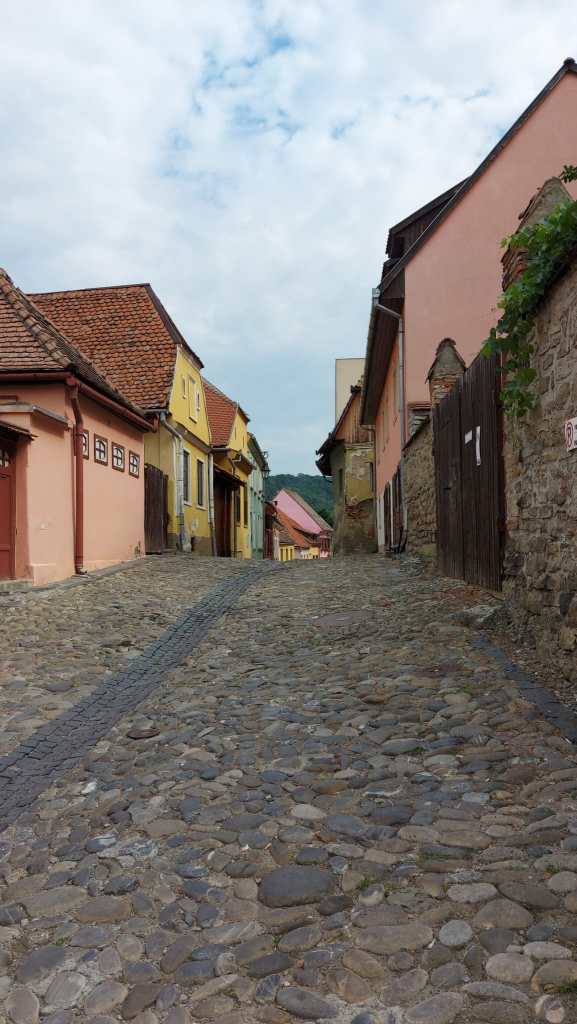
Wander along the cobbled stoned UNESCO heritage town centre of Sighisoara. The narrow stoned streets and the Transylvanian Saxon architecture of the medieval citadel will make you feel as if you are walking in a real-life fairytale.
The town’s main attraction is the 13th-century clock tower and the former main gate to the city. The tower stands 64 metres high and hosts the city museum which showcases furniture, and archaeological and pharmaceutical exhibits. The viewing platform allows you to see the whole town as well as the surrounding countryside.
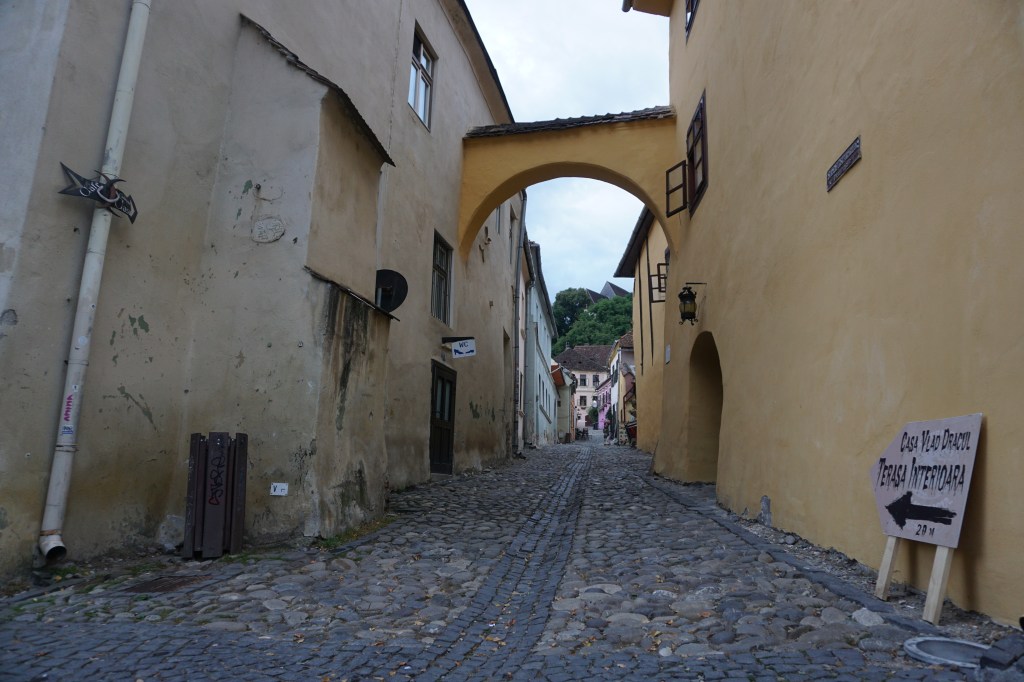
Sighisora is also the birthplace of Vlad the Impaler but Dracula tourism is unexpectedly understated in the town. For those who wish to indulge, 10 leu gains you access to the former residence situated on the top floor of the Casa Dracula restaurant. Creepy music, red lighting and smoke machines meet you in the attic along with a familiar face.
Despite all the attractions, even in the height of summer, the region is never quite overrun with tourists. Many towns and villages attract and cater to many tourists but the region hasn’t been commercialised to the extent that many other areas of Europe have. Transylvania is a budget-friendly and unique destination that feels like a secret just waiting to be discovered.
If you want more on Romania read our guide to the medieval city of Prejmer.
 Lucette Wood