
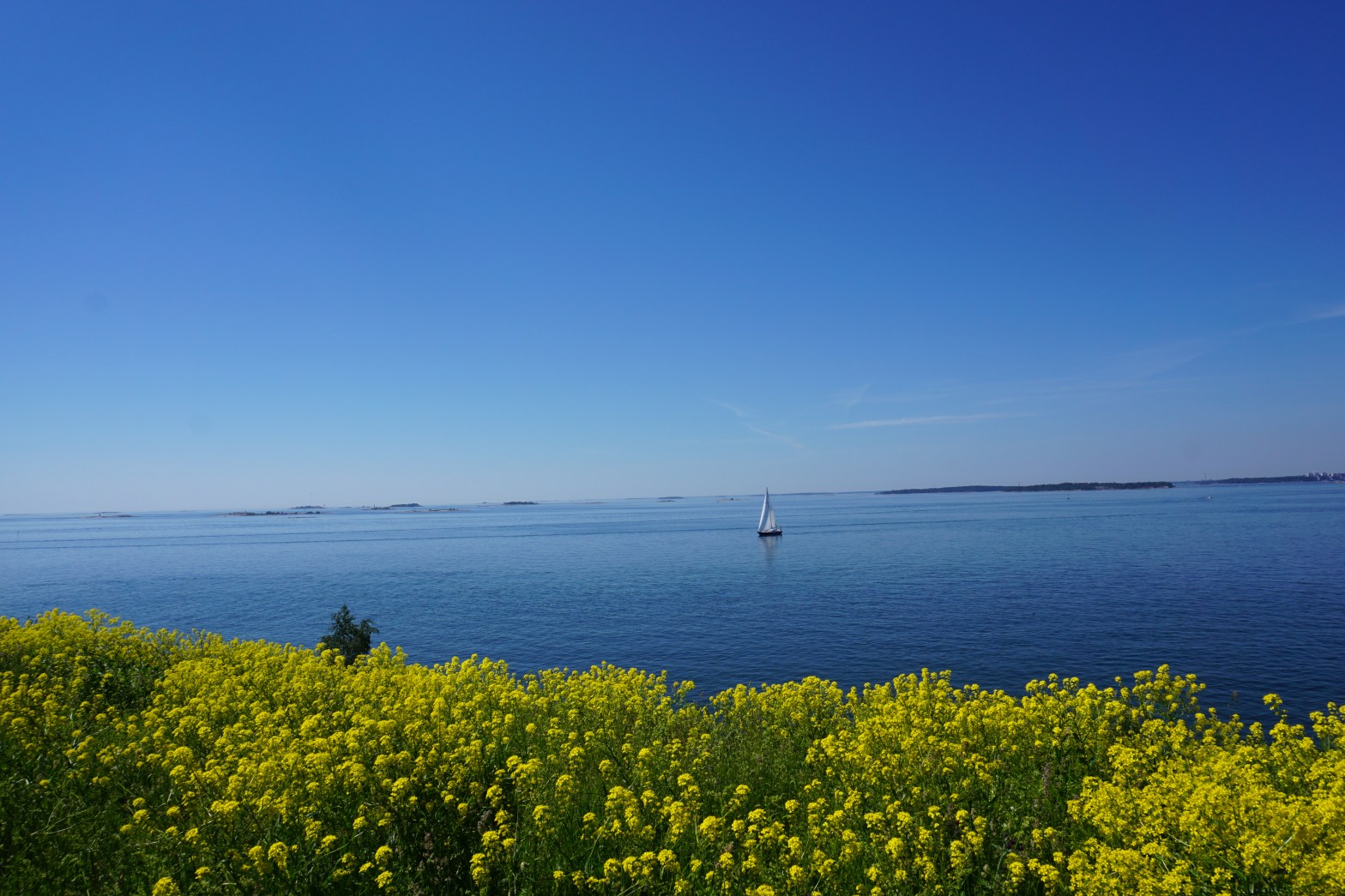
Sustainability in travel is vital, every decision we make surrounding travel has an impact on the world around us, from choosing where to go, how to get there and what we spend our money on when we get there. If we want to continue to explore the world we need to protect it. Being a responsible traveller means considering options carefully, through every step of your journey and even before your journey starts.
Destination

The first step is choosing where to go, should you venture abroad or stay closer to home? Our wanderlust naturally wants to explore far and unfamiliar territories but getting to know your own country has many benefits including a low carbon footprint.
Avoid destinations suffering from over-tourism, visiting less congested places will give you a richer experience and the local area will see more benefit from the money you spend there. Also, consider when to travel, peak season, usually during the summer months, means more expense, crowds and strain on local services. If you can be flexible, travelling during shoulder or low season can mean a cheaper and more pleasant trip and not contribute to travel congestion.
Transport

How you get to your destination will most likely be the part of your journey with the greatest environmental impact with transport accounting for a fifth of global emissions. Flying is often the quickest and most convenient option for most travellers yet harmful to the environment. Consider also, a slow travel approach making the journey your adventure rather than passing through. Travelling over land allows you to form a better understanding and appreciation of the destination.
Instead of opting for a taxi or an Uber when travelling around your destination take public transport. It can be intimidating to use public transport in a new place but often it is cheaper and gives you a flavour of everyday life.
Accommodation

Finding green accommodation can be a bit tricky, hotels can be guilty of greenwashing and there isn’t a general conscious. Hotels will often have sustainable policies on their website stating their green accreditations, although these accreditations have varying standards. Obtaining these certificates can be expensive and lengthy meaning for smaller accommodations providers they may not be feasible. There are some sustainable hotel booking platforms for travellers to find green stays including Fairbnb, EcoHotels, Book different and Ecobnb although the platforms have a narrow selection for stays.
Activities
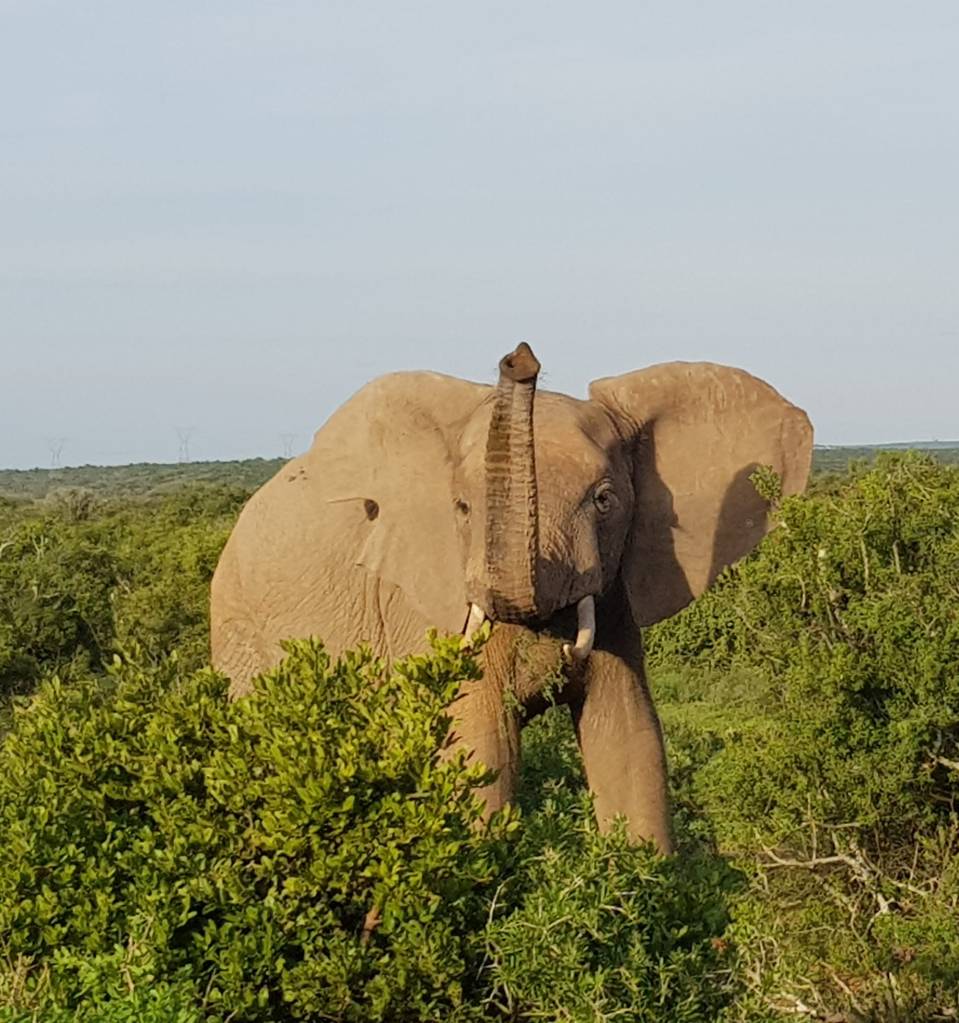
When booking tours or activities choose operators carefully, some engage with the local community, but others can be exploitative.
When viewing wildlife be especially cautious as some operators see tourist’s keenness to see animals in their natural habitat as an easy way to make money. Often these animals are overworked and not cared for properly. Research an animal’s natural behaviour as some facilities drug or abuse animals to make them docile so they don’t attack and can pose for selfies.
When in the outdoors be conscious of your surroundings, stick to marked trails when hiking to protect biodiversity, when in water don’t touch corals and wear reef-safe sun cream.
Food

Where and what you eat on your travels have an impact on the planet, food systems are responsible for a third of global emissions. Food miles measure the distance food travels before it gets to our plates, a recent study found that food mileage was responsible for a fifth of food emissions. Whilst it may be tempting to indulge in home comforts, sampling local cuisine is a great way to experience a culture and helps reduce your food miles. Avoiding meat and opting for more plant-based foods is another way to cut back, red meats have the largest food carbon footprint.
Souvenirs
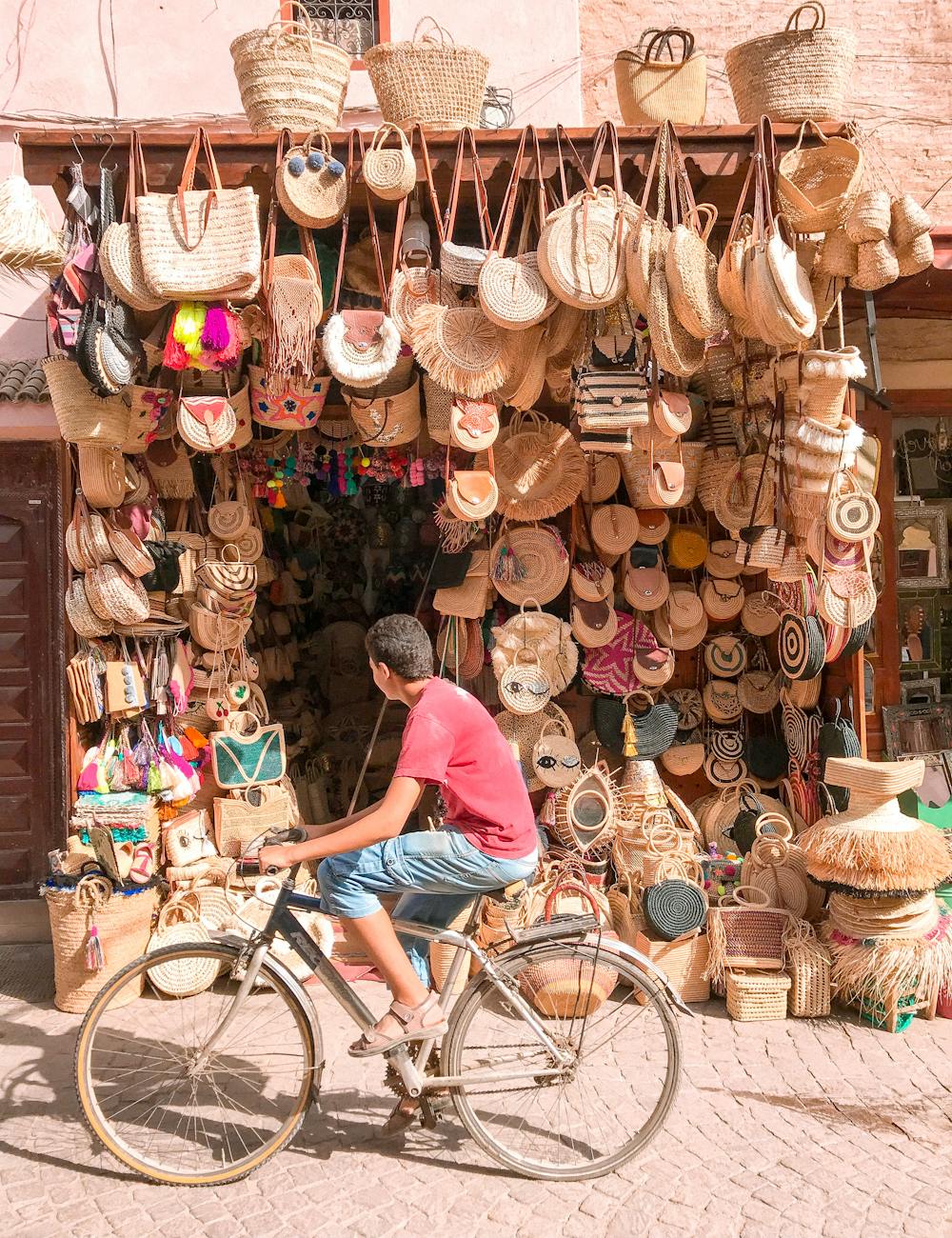
It’s only natural that we want to take something home from our travels but be conscious of what is taken or bought. Mass-produced products are often sold near tourist attractions and travel hubs are often not authentic and not locally made. This also contributes to the issue of tourism leakage, where a large portion of the money spent in a destination ends up in the pockets of international companies and foreign investors.
Avoid taking items away from nature such as pebbles from a beach or a rock from a hike, it may seem harmless but removing items can affect the surrounding ecosystem.
A version of this article was originally published in The Big Issue. For more information on their work and to support and buy past issues please see: https://www.bigissue.com/
 Lucette Wood