
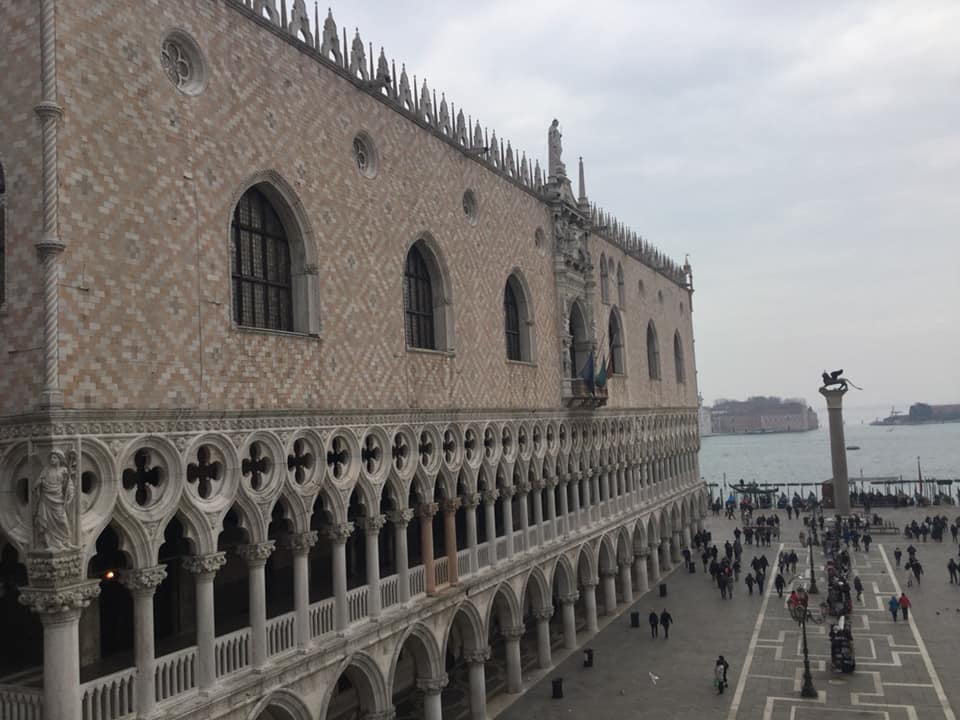
Overtourism is a term that many of us have become familiar with, where cities and popular destinations swell and buckle under the strain of mass tourism.
The high summer season has seen protests in destinations including Barcelona and Mallorca calling on tourists to ‘go home’. Demonstrators have even taken to intimidating and squirting tourists with water in popular tourist areas.
Undertourism is a more recent phenomenon where travellers are encouraged to visit destinations which don’t traditionally receive a lot of visitors, these destinations hope to reap the benefits that a healthy number of tourists can bring. Continued travel to these overtourism hotspots is not sustainable, when spread out the pressure can be eased on stressed areas and elevate others.
Increasingly overtourism has become a problem, with some destinations making headlines with their various deterrents and tourism management introducing laws and taxes to curb visitor numbers. Destinations such as Venice and Barcelona are always going to be popular tourist spots but as visitors, we must take some reasonability and not add to a growing issue.
These destinations don’t need to be completely avoided, overtourism happens when too many people visit the same destination at the same time. If you do visit a destination suffering from overtourism, visit during low or shoulder season and be conscious of how you spend your time and money in the destination.
Day visitors can be a particular problem, in some cities such as Venice the population can nearly double during the day with popular sites become congested. Often these day trippers sleep and eat elsewhere meaning the area struggles with an influx of tourists without seeing the economic benefit. Many locations have consequently set limits on cruise ships docking close to town centres. This summer Venice introduced a 5 Euro tourist tax for day-trippers in a bid to deter visitors.
Destinations facing undertourism often are areas which recently experienced natural disasters, which is increasingly common due to the climate crisis, Nepal in 2015 saw a drastic decrease in visitors following the catastrophic earthquake. Civil unrest and terrorist attacks can also contribute to a loss of visitors as happened in Sri Lanka in 2019. Travelling to these destinations months and even years later can help restore the destination as a tourist destination.
With the rise of overtourism, the negatives of travel and tourism are often in focus with the benefits being overlooked. The appeal of tourism for many destinations is the obvious economic boast with tourism being a major component of many country’s economies. Tourism brings great employment opportunities as well with roughly 10% of global employment connected to the industry.
Tourism encourages the preservation of heritage, tradition and wildlife and creates a market for local handcraft products and produce. During the pandemic, as South Africa and Botswana saw a decrease in tourist numbers rhino poaching increased. Groups of tourists taking lots of pictures and admiring wildlife acted as a deterrent to potential poachers from entering animal habitats.
Travelling to areas with little or no tourism infrastructure is not helpful for the destination and would most likely result in an unpleasant and frustrating experience for the traveller. A balance needs to be made where travellers consider where and when they travel.
 Lucette Wood