Can Undertourism be the solution to Overtourism?

Overtourism is a term that many of us have become familiar with, where cities and popular destinations swell and buckle under the strain of mass tourism.

The high summer season has seen protests in destinations including Barcelona and Mallorca calling on tourists to ‘go home’. Demonstrators have even taken to intimidating and squirting tourists with water in popular tourist areas.

Undertourism is a more recent phenomenon where travellers are encouraged to visit destinations which don’t traditionally receive a lot of visitors, these destinations hope to reap the benefits that a healthy number of tourists can bring. Continued travel to these overtourism hotspots is not sustainable, when spread out the pressure can be eased on stressed areas and elevate others.

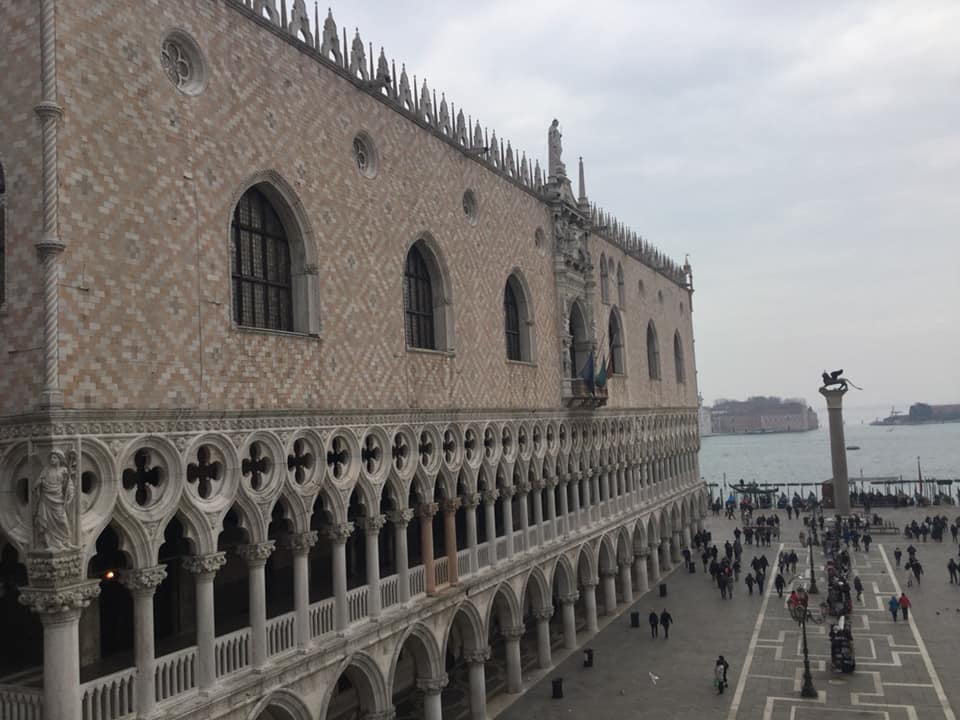
Increasingly overtourism has become a problem, with some destinations making headlines with their various deterrents and tourism management introducing laws and taxes to curb visitor numbers. Destinations such as Venice and Barcelona are always going to be popular tourist spots but as visitors, we must take some reasonability and not add to a growing issue.

These destinations don’t need to be completely avoided, overtourism happens when too many people visit the same destination at the same time. If you do visit a destination suffering from overtourism, visit during low or shoulder season and be conscious of how you spend your time and money in the destination.

Day visitors can be a particular problem, in some cities such as Venice the population can nearly double during the day with popular sites become congested. Often these day trippers sleep and eat elsewhere meaning the area struggles with an influx of tourists without seeing the economic benefit. Many locations have consequently set limits on cruise ships docking close to town centres. This summer Venice introduced a 5 Euro tourist tax for day-trippers in a bid to deter visitors.

Destinations facing undertourism often are areas which recently experienced natural disasters, which is increasingly common due to the climate crisis, Nepal in 2015 saw a drastic decrease in visitors following the catastrophic earthquake. Civil unrest and terrorist attacks can also contribute to a loss of visitors as happened in Sri Lanka in 2019. Travelling to these destinations months and even years later can help restore the destination as a tourist destination.

With the rise of overtourism, the negatives of travel and tourism are often in focus with the benefits being overlooked. The appeal of tourism for many destinations is the obvious economic boast with tourism being a major component of many country’s economies. Tourism brings great employment opportunities as well with roughly 10% of global employment connected to the industry.

Tourism encourages the preservation of heritage, tradition and wildlife and creates a market for local handcraft products and produce. During the pandemic, as South Africa and Botswana saw a decrease in tourist numbers rhino poaching increased. Groups of tourists taking lots of pictures and admiring wildlife acted as a deterrent to potential poachers from entering animal habitats.

Travelling to areas with little or no tourism infrastructure is not helpful for the destination and would most likely result in an unpleasant and frustrating experience for the traveller. A balance needs to be made where travellers consider where and when they travel.

Sustainable Travel Guide

Sustainability in travel is vital, every decision we make surrounding travel has an impact on the world around us, from choosing where to go, how to get there and what we spend our money on when we get there. If we want to continue to explore the world we need to protect it. Being a responsible traveller means considering options carefully, through every step of your journey and even before your journey starts.

Destination

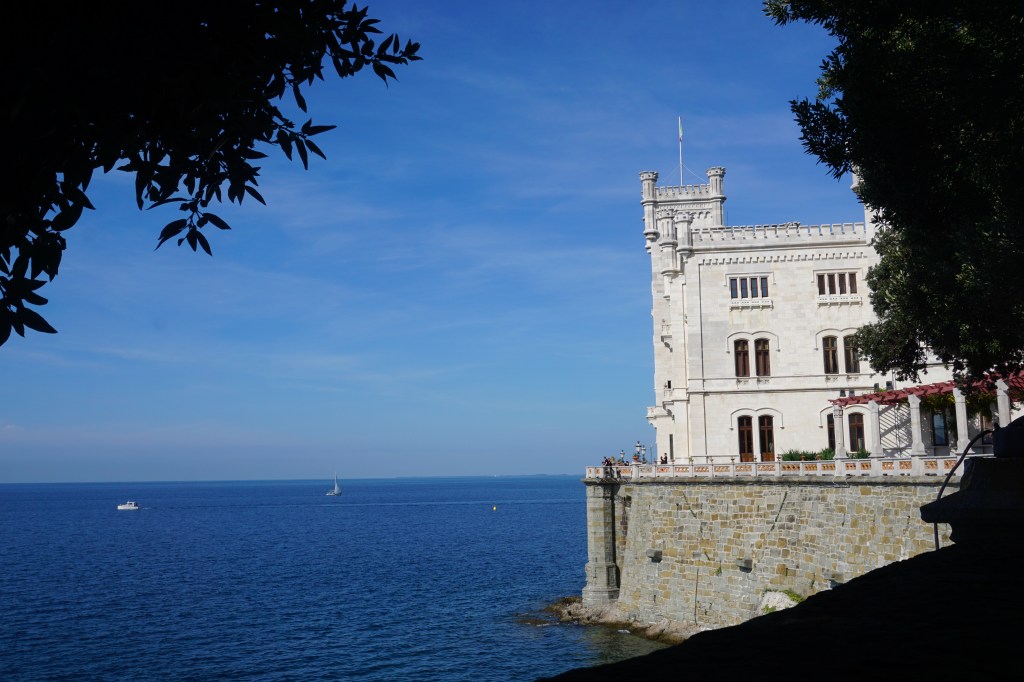
Miramare Castle near Trieste, Italy

The first step is choosing where to go, should you venture abroad or stay closer to home? Our wanderlust naturally wants to explore far and unfamiliar territories but getting to know your own country has many benefits including a low carbon footprint.

Avoid destinations suffering from over-tourism, visiting less congested places will give you a richer experience and the local area will see more benefit from the money you spend there. Also, consider when to travel, peak season, usually during the summer months, means more expense, crowds and strain on local services. If you can be flexible, travelling during shoulder or low season can mean a cheaper and more pleasant trip and not contribute to travel congestion.

Transport

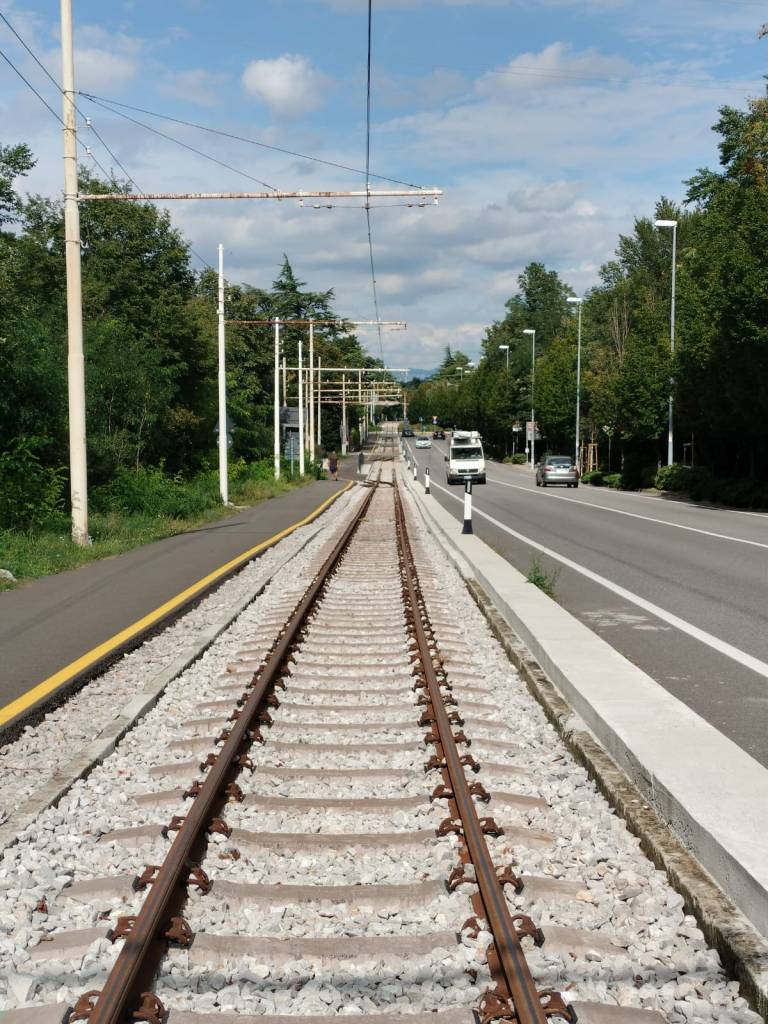
A train track next to a road and footprint in Northern Italy

How you get to your destination will most likely be the part of your journey with the greatest environmental impact with transport accounting for a fifth of global emissions. Flying is often the quickest and most convenient option for most travellers yet harmful to the environment. Consider also, a slow travel approach making the journey your adventure rather than passing through. Travelling over land allows you to form a better understanding and appreciation of the destination.

Instead of opting for a taxi or an Uber when travelling around your destination take public transport. It can be intimidating to use public transport in a new place but often it is cheaper and gives you a flavour of everyday life.

Accommodation

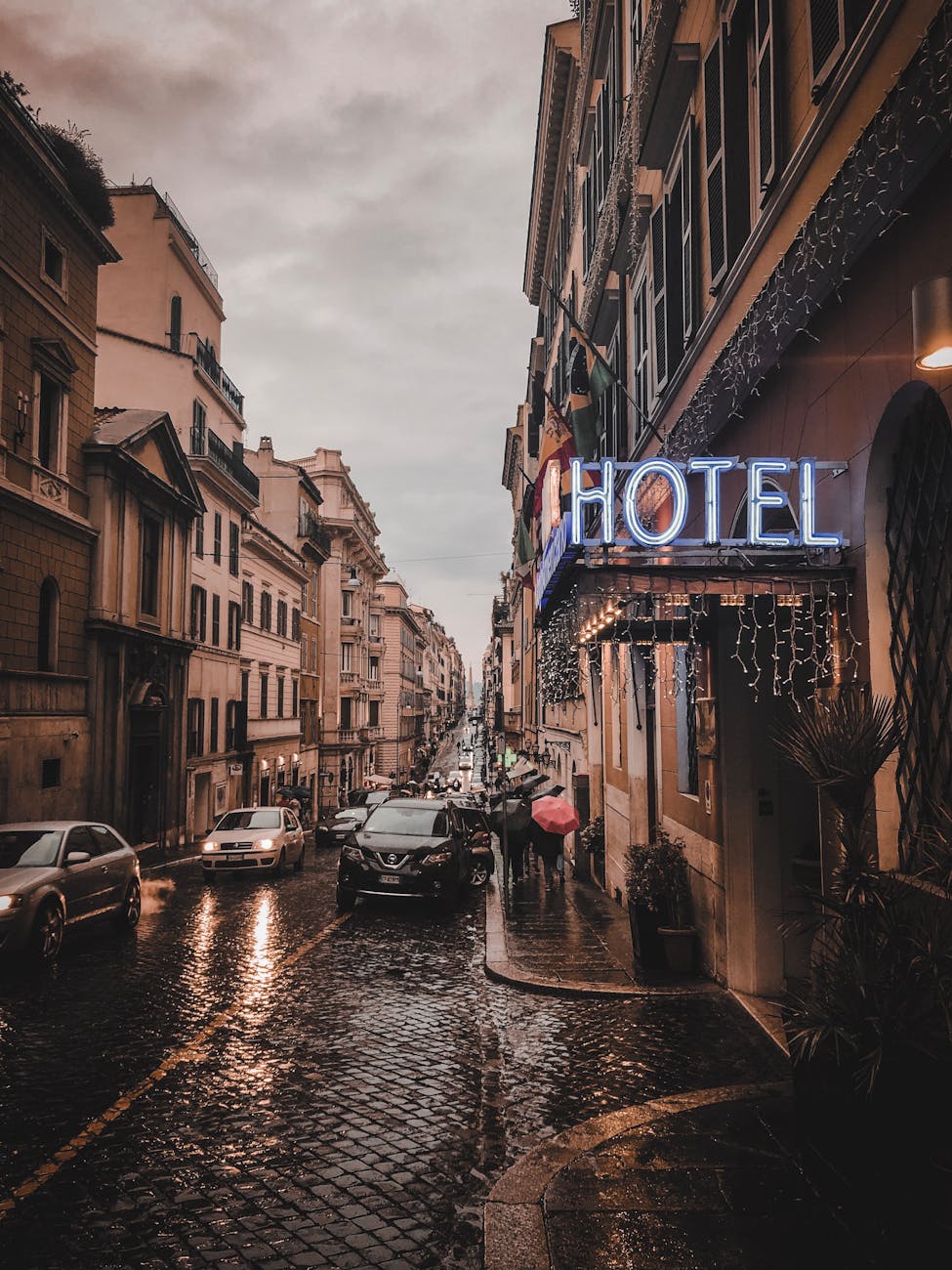
Photo by Bruno Maceiras on Pexels.com

Finding green accommodation can be a bit tricky, hotels can be guilty of greenwashing and there isn’t a general conscious. Hotels will often have sustainable policies on their website stating their green accreditations, although these accreditations have varying standards. Obtaining these certificates can be expensive and lengthy meaning for smaller accommodations providers they may not be feasible. There are some sustainable hotel booking platforms for travellers to find green stays including Fairbnb, EcoHotels, Book different and Ecobnb although the platforms have a narrow selection for stays.

Activities

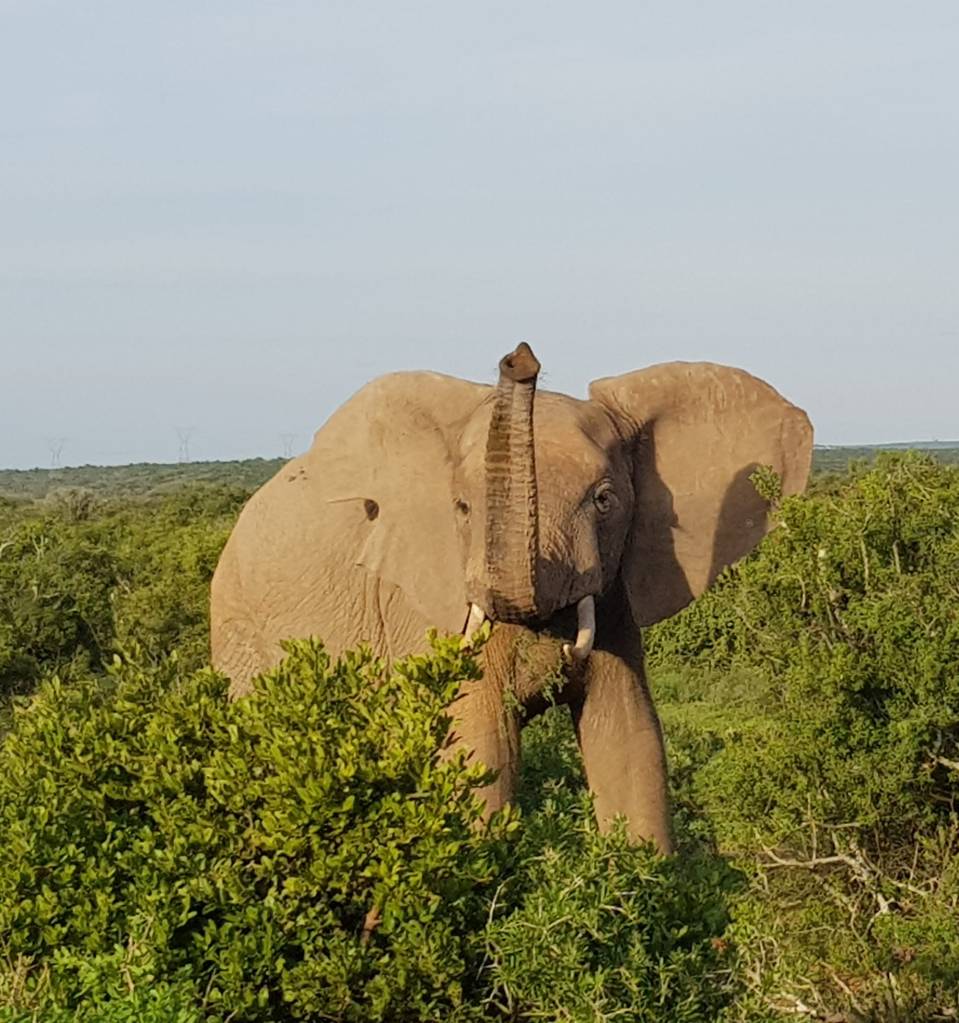
An Elephant in the wild in Addo Elephant Park in South Africa

When booking tours or activities choose operators carefully, some engage with the local community, but others can be exploitative.

When viewing wildlife be especially cautious as some operators see tourist’s keenness to see animals in their natural habitat as an easy way to make money. Often these animals are overworked and not cared for properly. Research an animal’s natural behaviour as some facilities drug or abuse animals to make them docile so they don’t attack and can pose for selfies.

When in the outdoors be conscious of your surroundings, stick to marked trails when hiking to protect biodiversity, when in water don’t touch corals and wear reef-safe sun cream.

Food

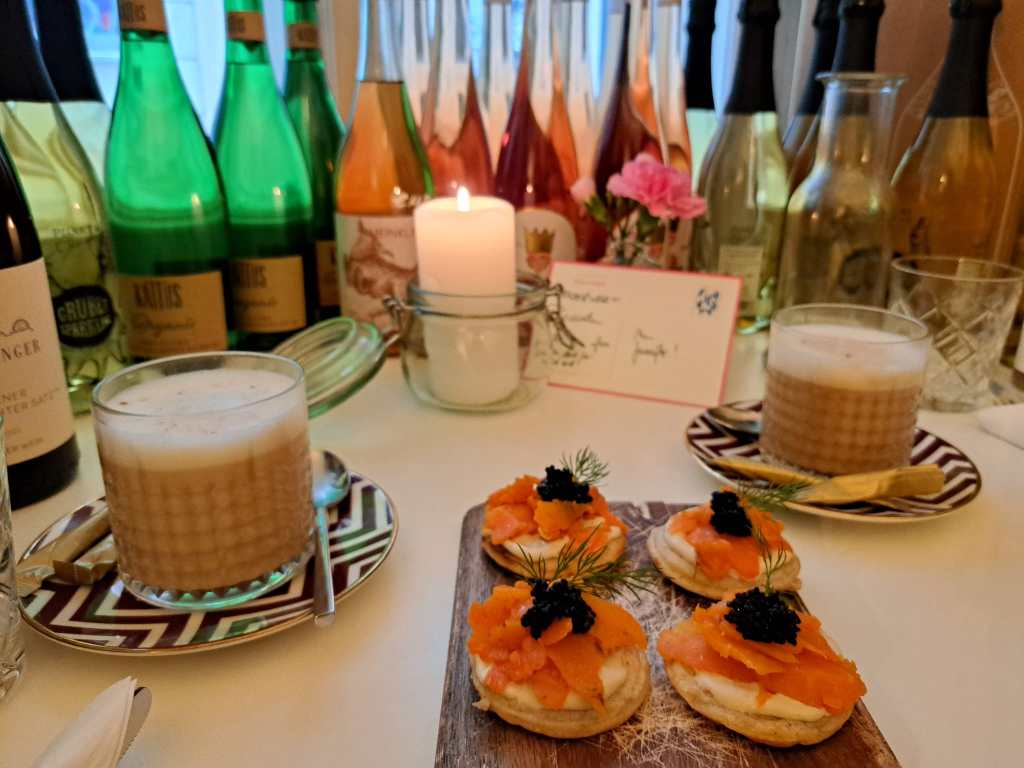
A plant-based brunch in a Viennese Delhi

Where and what you eat on your travels have an impact on the planet, food systems are responsible for a third of global emissions. Food miles measure the distance food travels before it gets to our plates, a recent study found that food mileage was responsible for a fifth of food emissions. Whilst it may be tempting to indulge in home comforts, sampling local cuisine is a great way to experience a culture and helps reduce your food miles. Avoiding meat and opting for more plant-based foods is another way to cut back, red meats have the largest food carbon footprint.

Souvenirs

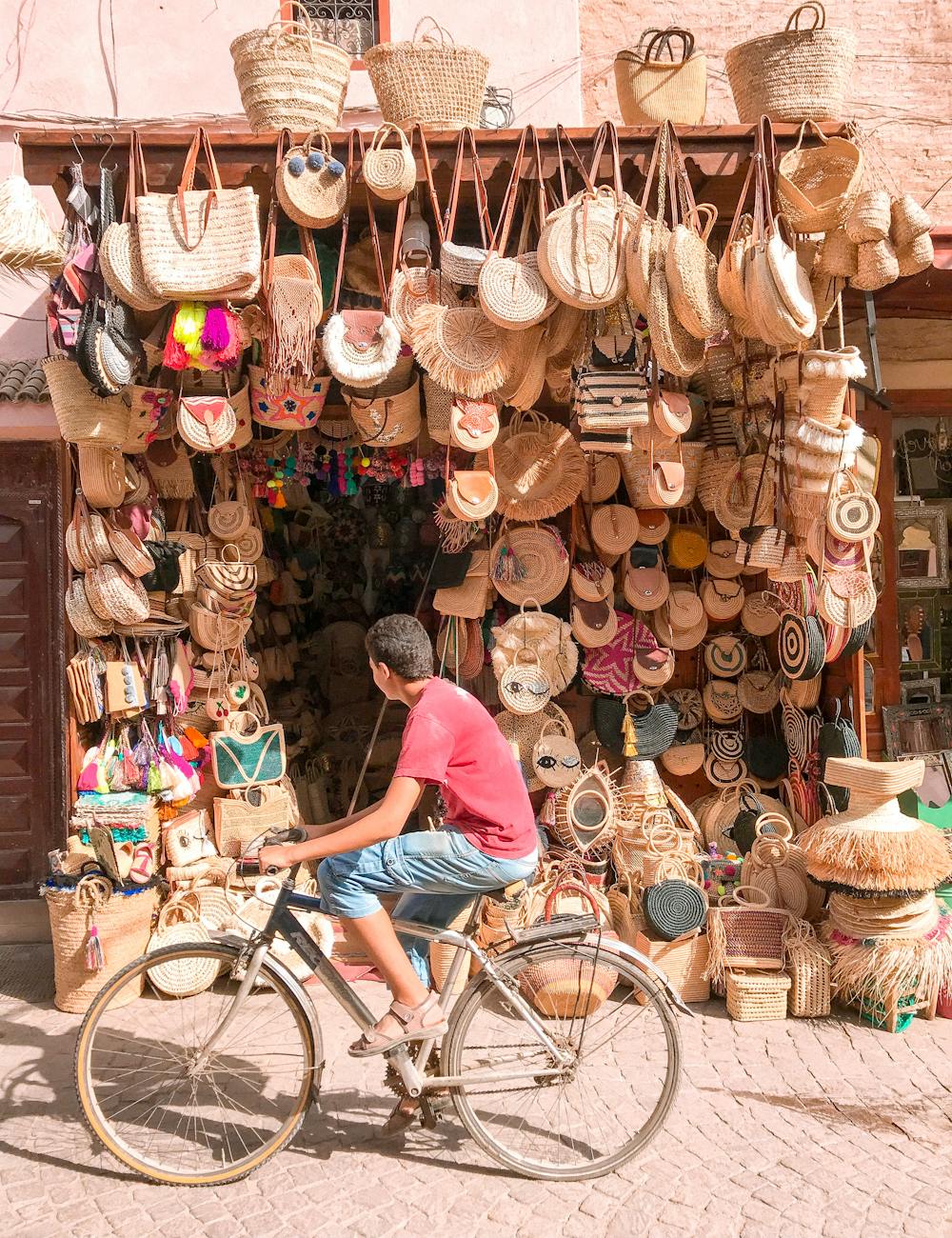
Photo by julie aagaard on Pexels.com

It’s only natural that we want to take something home from our travels but be conscious of what is taken or bought. Mass-produced products are often sold near tourist attractions and travel hubs are often not authentic and not locally made. This also contributes to the issue of tourism leakage, where a large portion of the money spent in a destination ends up in the pockets of international companies and foreign investors.

Avoid taking items away from nature such as pebbles from a beach or a rock from a hike, it may seem harmless but removing items can affect the surrounding ecosystem.

A version of this article was originally published in The Big Issue. For more information on their work and to support and buy past issues please see: https://www.bigissue.com/

A guide to Transylvania

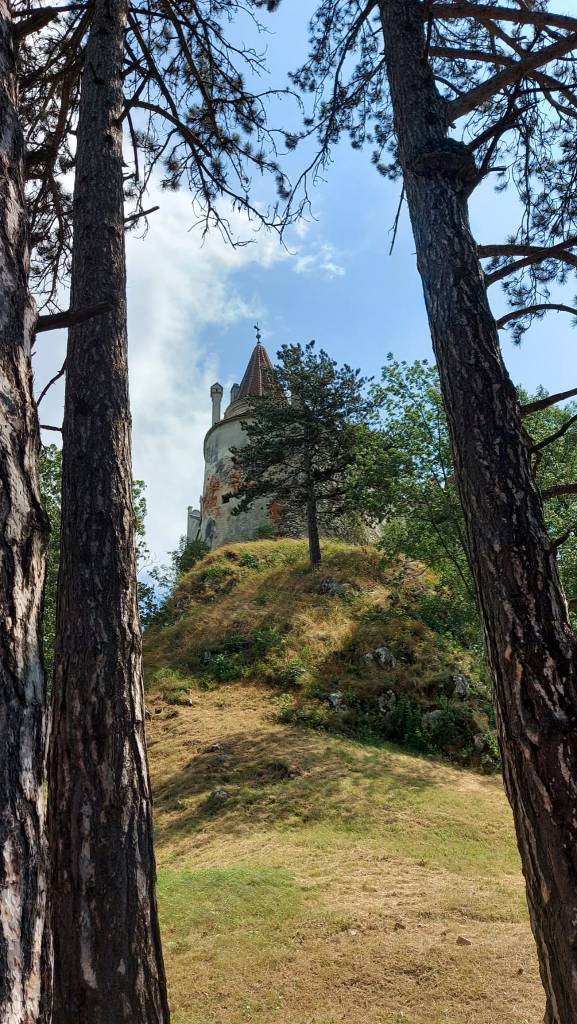
Transylvania evokes images of Gothic castles, grand forests and of course vampires. The region spans over 100,000 km², covering over 40% of Romania. Yet few chose to visit more than the tiny area around “Dracula’s” castle, which is a slither of what Transylvania has to offer.

Bran Castle, 25Km from Brasov

Whilst the character Dracula was a figment of Bram Stoker’s imagination, the bloodthirsty villain was based on a real person. Vlad Dracuulea III of Walachia was a 15th-century military leader who resided in Bran castle for a brief period. He was known as Vlad the Impaler for the cruel punishments he inflicted on his enemies.

Brasov

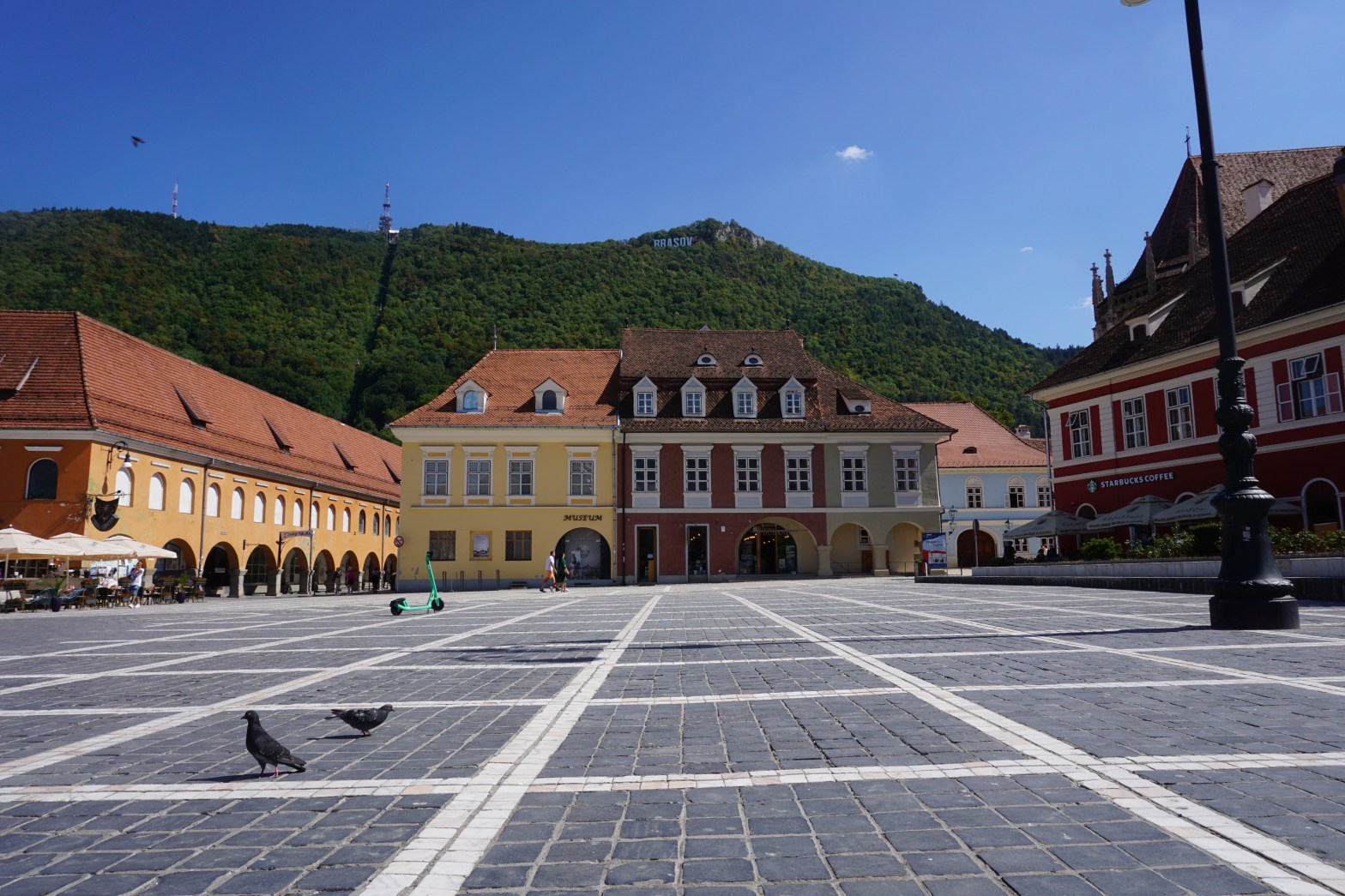
Piata Sfatuliu from Mount Tampa

The city of Brasov tends to be in the traveller’s consciousness just as the closest biggest city to Dracula’s castle but Brasov is a destination in its own right. Mount Tampa looms over the city with its Hollywood-style city sign on the side of a forested mountain inhabited by bears. Brasov is deceptively large, feeling more like a small village than a large sprawling city.

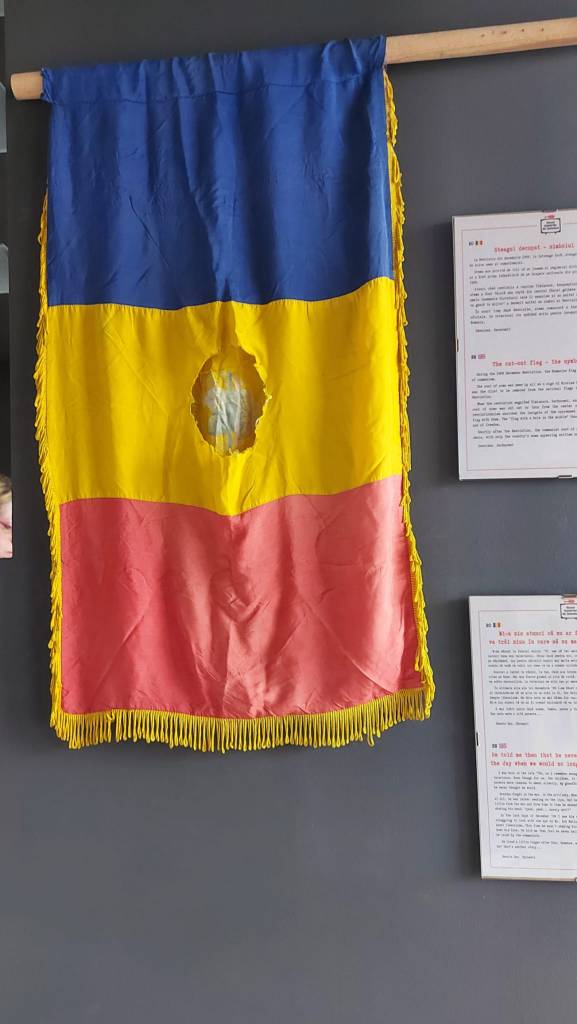
The Tales of Communism Museum personal

Piata Sfatuliu (the main square) is the nerve centre of the city hosting markets, concerts and even traditional dance classes. Historically the square hosted more morbid events such as tortures and is said to have had Europe’s last witch burning. If you are more interested in more modern history, The Tales of Communism Museum is well worth a visit telling the personal stories of those living under Ceaseascu’s rule.

Strada Sforii is one of the narrowest streets in Europe measuring at just 111cm

Sibiu

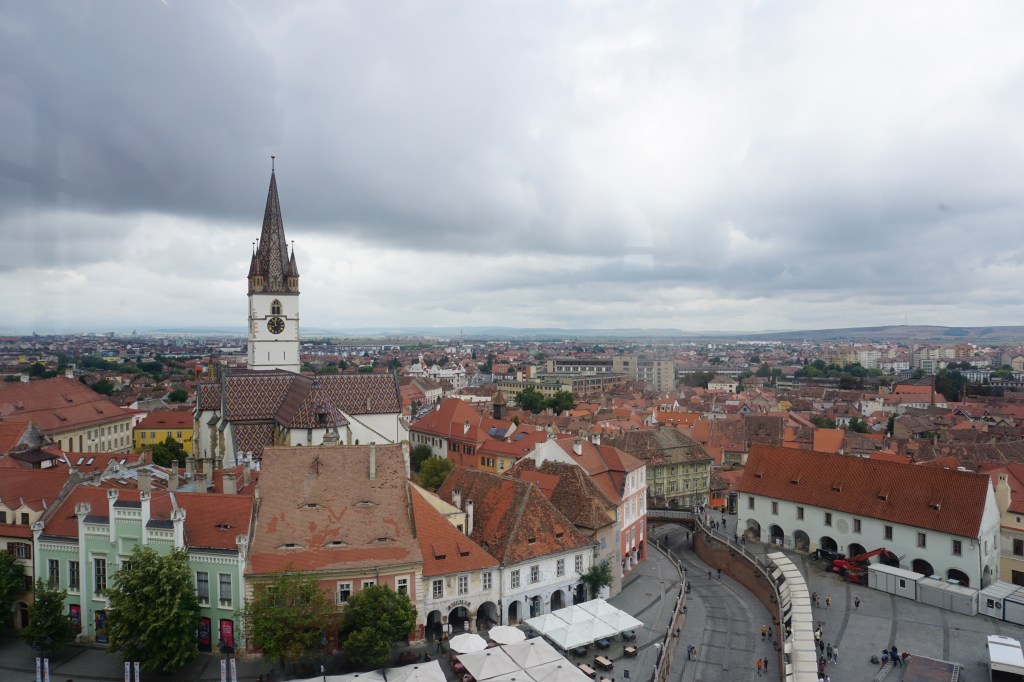
Landscape from the Turnul Sfatului

The charming walled city of Sibiu was crowned Europe’s capital of culture in 2007. It’s easy to see why with abundant exhibitions and festivals, buzzing market squares and precipitous stairways cutting into the old city walls.

Climb the numerous and narrow steps to the top of Turnul Sfatului (Council Tower) and get a postcard-perfect vista of the old town. As you admire the view you may begin to feel as if you are being watched. The windows of Sibiu’s roofs can be easily mistaken for eyelids from afar with their almond forms and duality.

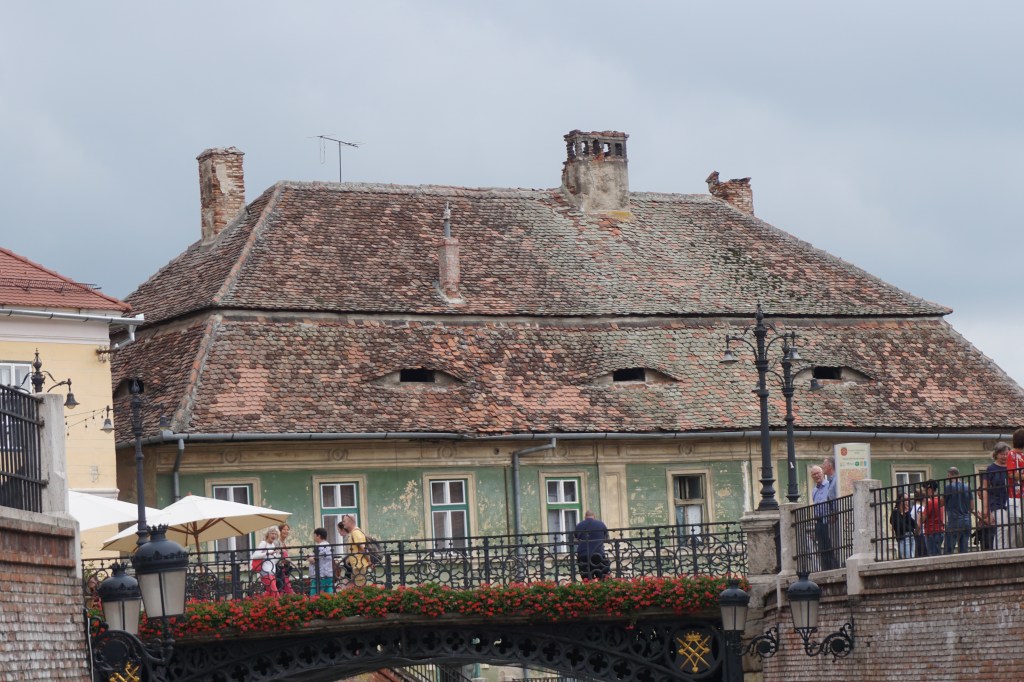
The Bridge of Lies in Sibiu’s centre

Within the old town is a small pedestrian 16th-century iron bridge entangled with flowers also known as ‘the bridge of lies’, named after market thieves who frequented the bridge. The legend is if you tell a lie whilst standing on the bridge it will creak and you will be punished by the spirits of the thieves.

Sighisoara

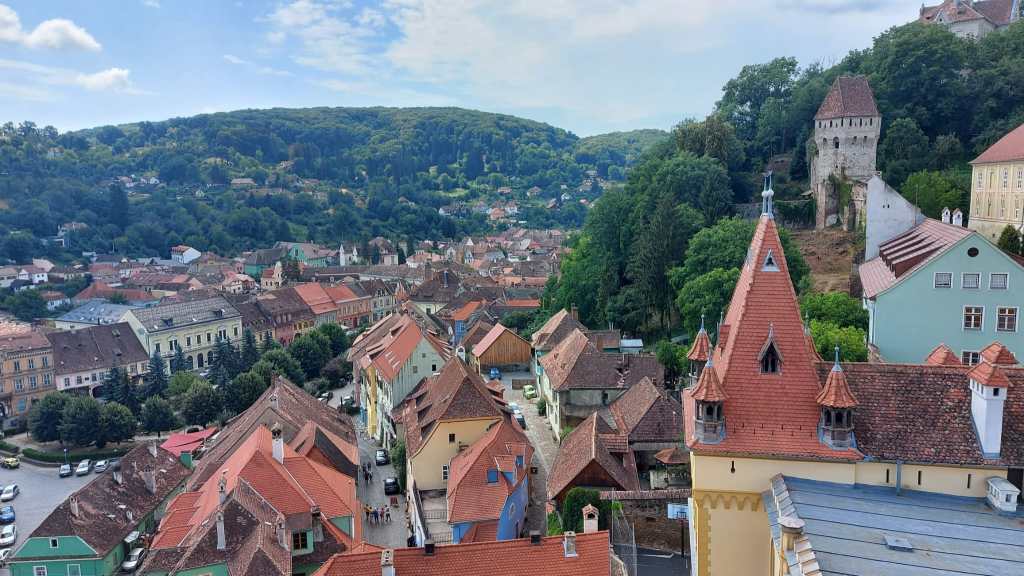
Vista of Sighisoara from the clock tower

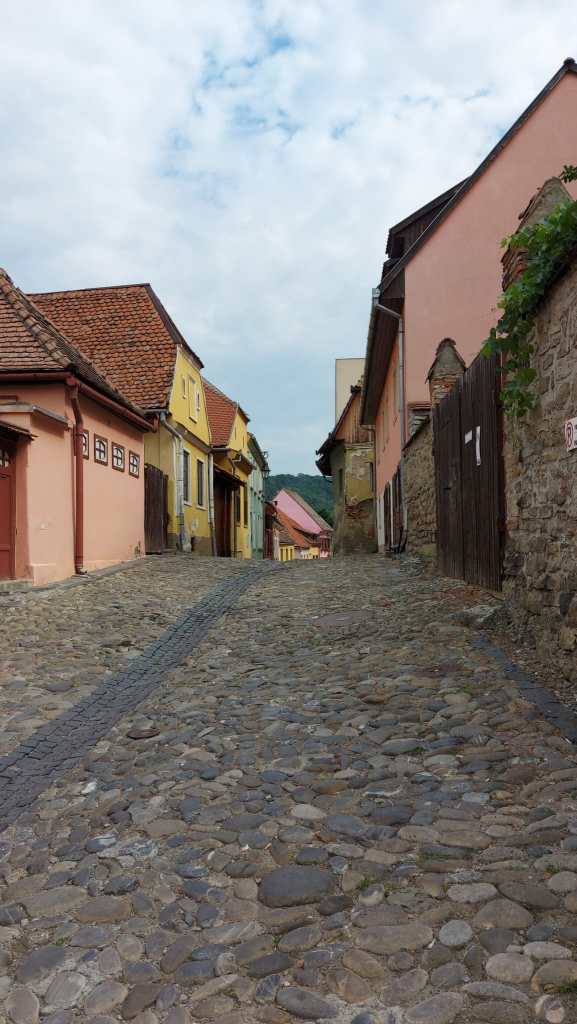
Wander along the cobbled stoned UNESCO heritage town centre of Sighisoara. The narrow stoned streets and the Transylvanian Saxon architecture of the medieval citadel will make you feel as if you are walking in a real-life fairytale.

The town’s main attraction is the 13th-century clock tower and the former main gate to the city. The tower stands 64 metres high and hosts the city museum which showcases furniture, and archaeological and pharmaceutical exhibits. The viewing platform allows you to see the whole town as well as the surrounding countryside.

A cobbled street within the walls of the city

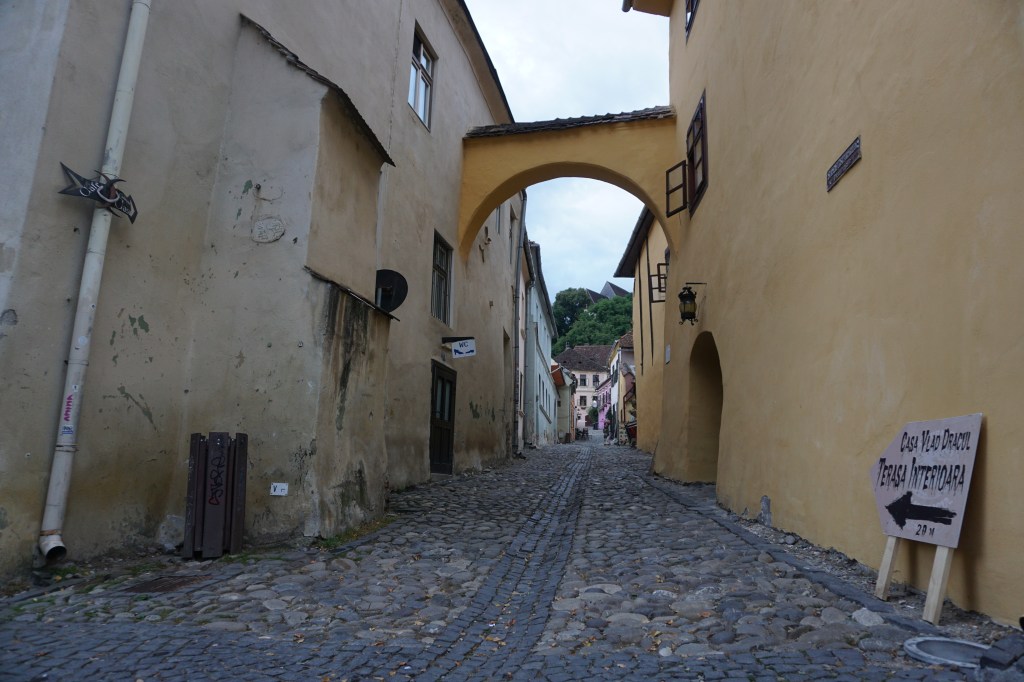
Sighisora is also the birthplace of Vlad the Impaler but Dracula tourism is unexpectedly understated in the town. For those who wish to indulge, 10 leu gains you access to the former residence situated on the top floor of the Casa Dracula restaurant. Creepy music, red lighting and smoke machines meet you in the attic along with a familiar face.

The entrance to Vald the Implaer’s home

Despite all the attractions, even in the height of summer, the region is never quite overrun with tourists. Many towns and villages attract and cater to many tourists but the region hasn’t been commercialised to the extent that many other areas of Europe have. Transylvania is a budget-friendly and unique destination that feels like a secret just waiting to be discovered.

If you want more on Romania read our guide to the medieval city of Prejmer.

Travel data to and from the UK

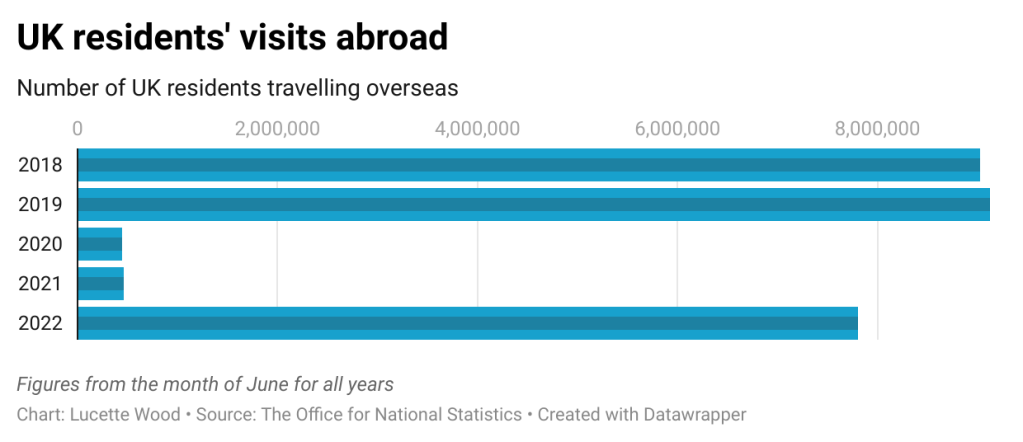
The number of travellers to and from the UK over Spring has not returned to pre-covid figures.

The Office of national statistics (ONS) released the provisional results of overseas travel and tourism to and from the UK between April and June 2022.

The data from the International passenger survey covers passengers travelling through air, sea and tunnel ports.

In June 7.8m Brits travelled abroad, a significant but expected increase from July 2021 which only saw 1.4m travel.

Figures between January and June 2021 only counted travellers by air due to the covid restrictions at ports.

Whilst abroad in June UK residents spent £6.2b, a figure which is relatively the same as the period before the pandemic.

But despite the travel chaos experienced by many this June, there was a decrease of 15% in international passengers from the same period in 2019.

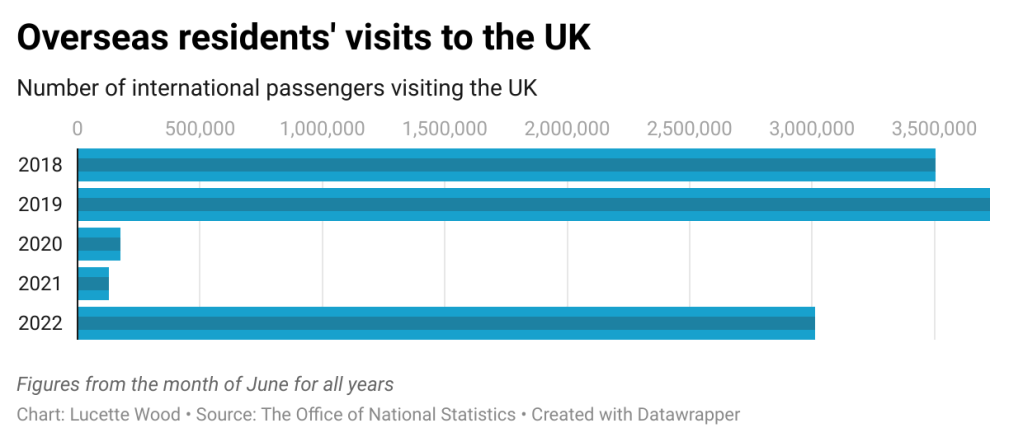
As expected the number of international visitors to the UK has increased from the same period over the last two years but it is still lower than in 2019.

The number of overseas visitors to the UK in June was 3m, a decrease of 19% from June 2019 but an increase of 23% from May.

Visitors to the UK spent £2.7b in June 2022 which is roughly the same as the period of June 2022 but considering the decrease in visitors means visitors are spending more.

This expenditure is not likely to continue due to the cost of living crisis which will have a significant impact on the amount of money being spent whilst abroad and visitors to the UK.

Travel publication Lonely Planet named two UK destinations, Manchester and Southern Scotland, as must-visit destinations for new experiences in their prestigious annual Best in Travel results for 2023.

Due to the decrease in travel over the pandemic, it is not yet clear what impact the UK leaving the European Union has had on British tourism.

Given the increase in demand at airports seen during peak season, it is expected that the next set of results will see major increases in travel to and from the UK.

Travel across the Irish border is not included in the survey.

Figures for the rest of the summer have not yet been released, but they will give a clearer indication of travel trends for the future.

Whilst figures for 2023 are likely to stay much higher than during the pandemic, the global financial crisis is likely to have an impact on passenger numbers.

Prejmer Postcard

Explore Transylvanian village life from the medieval age to today

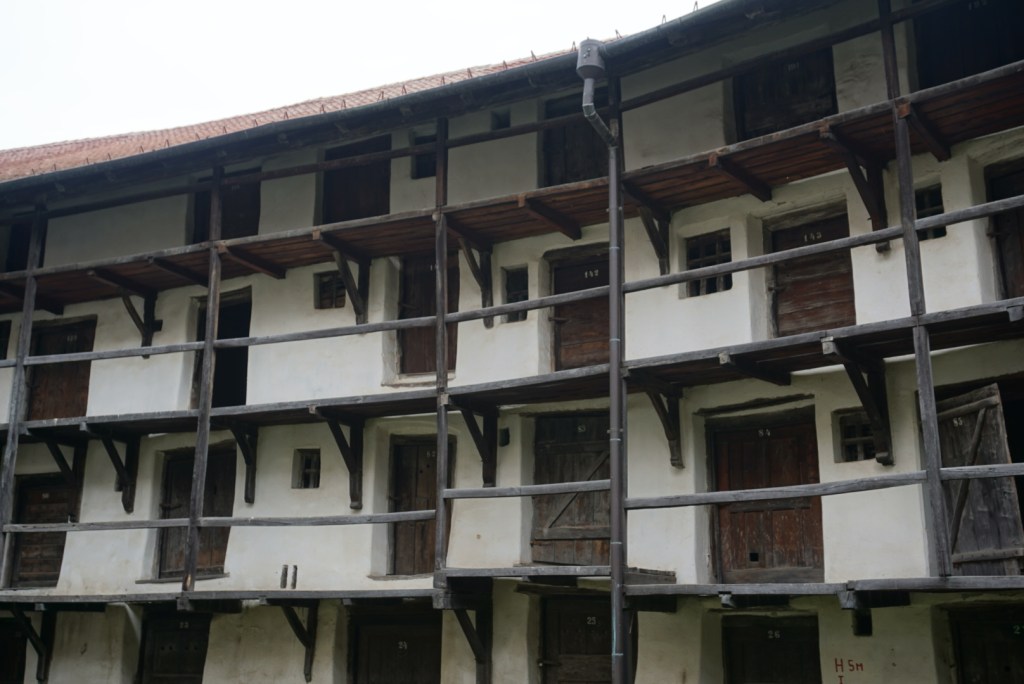
As I clutch onto an ancient wooden balcony rail ten feet above the ground; I readdress my expectations of international health and safety standards. With a false sense of fear, I look out to a ringed building which despite being open reminds me of a prison. I fully expect the wet wooden beams to collapse underneath me, I stumble when I realise that I am not falling to meet the grass.

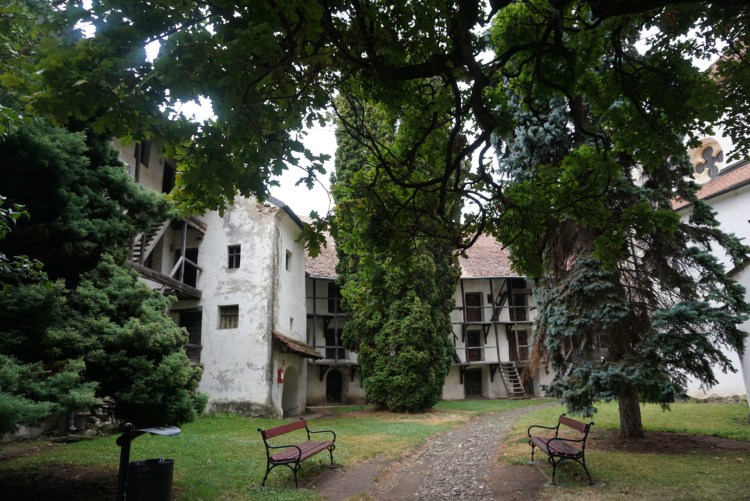
Medieval housing in the fortress

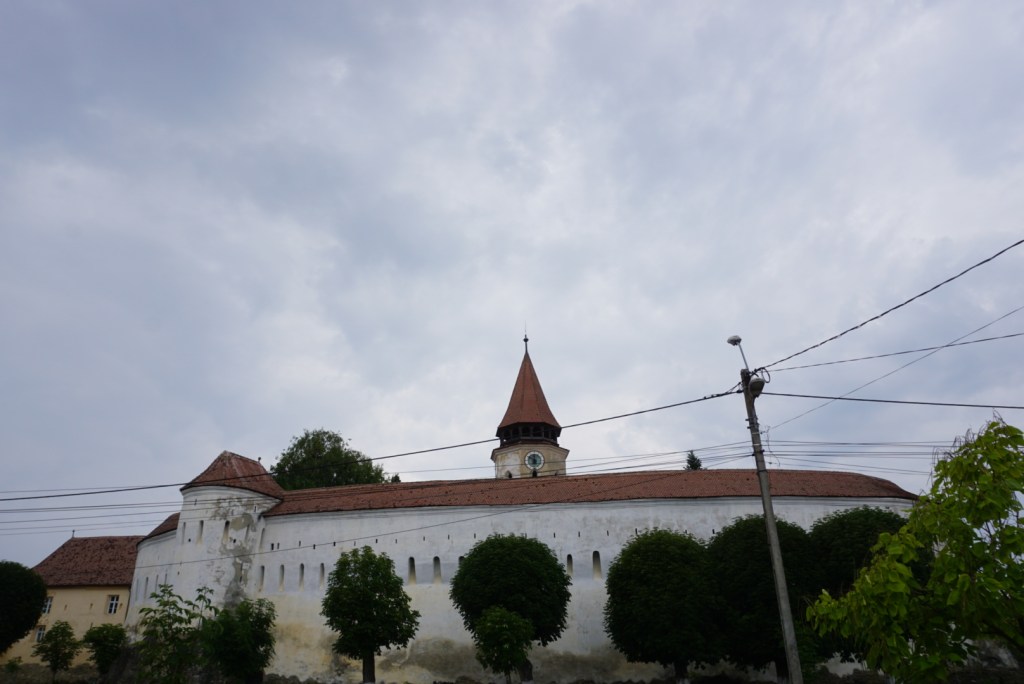
I’m at the largest fortified church in Southeast Europe in the town of Prejmer, Northeast of Brasov, one of seven UNESCO world heritage sites throughout Transylvania.

Medieval Prejmer

Prejmer was first documented in the 13th century as a Saxon settlement. Saxons from modern-day Luxembourg settled here and developed the Transylvanian Saxon language. The language is closer to Dutch and Flemish than German. Despite the language being alive for centuries it is now starting to die out and could be dead by the end of the century. as younger generations are opting to learn more widely spoken languages.

Barbican surrounding the church

Given Prejmer’s position as the first settlement on the Buzau pass from Brasov, settlers built one of the strongest defence walls in Transylvania. The ringed defensive wall was built in the 14th century standing at 14 metres high and five metres thick at the base. The ringed fortress was home to over 200 families each of who had a storeroom across four levels.

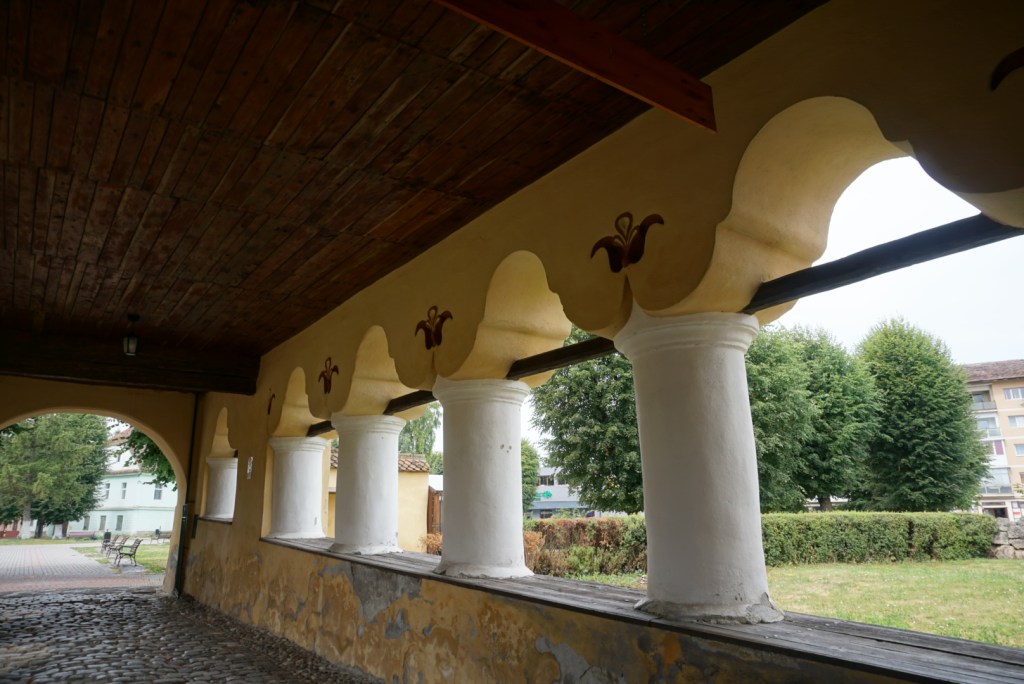
Arched Gallery Entrance

Today the building maintains the historical character of the period. The top floor was a defensive path called the watch road where the resident peasants became warriors when needed.

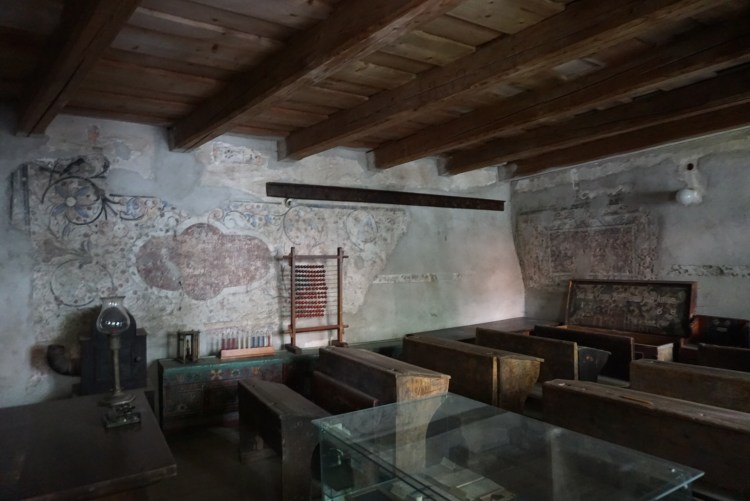
School within the fortress. Education continued even when a siege is taking place

The Church

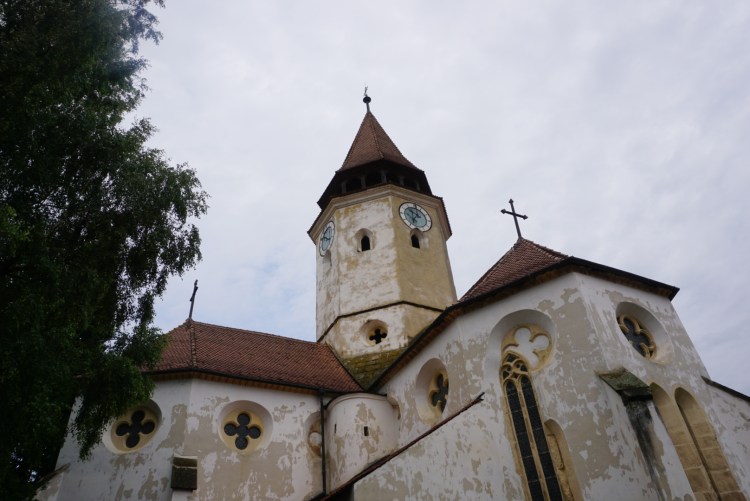
The Kitherian The layout of the church in a Greek cross style (four equal arms) is unique to Transylvania, with four equal arms, a shape usually found in Byzantine architecture.

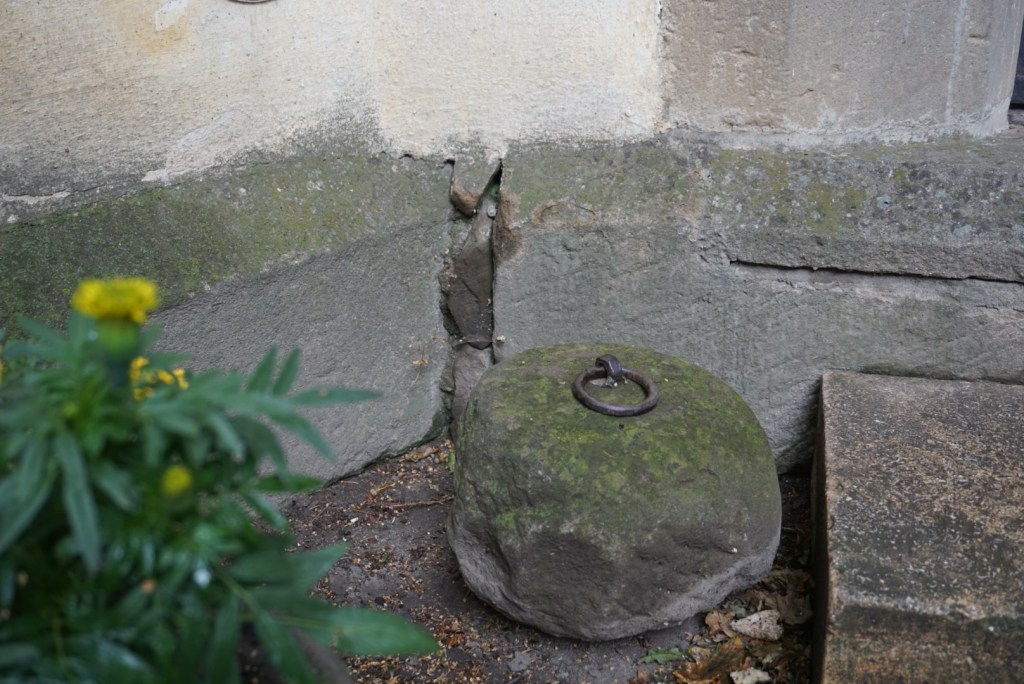
A stark reminder of the period and the church’s lack of gender equality is the rock of shame, at the left of the entrance to the church. Weighing around 50kg used to shame adulterous women on Sundays until the mid-19th century. When asked why men were not also punished, a local priest allegedly said: “Where would we be able to gather so many rocks?”

The Stone used to shame women

Prejmer Today

Despite a bus load of tourists entering just after me and the UNESCO status, the citadel is relatively quiet. Prejmer isn’t a tourist town like Bran or other villages with such historical significance. This adds to its charm as a visitor, but the town isn’t benefiting much from tourism. In 2019 around 100,000 tourists visited but this had little impact on the town.

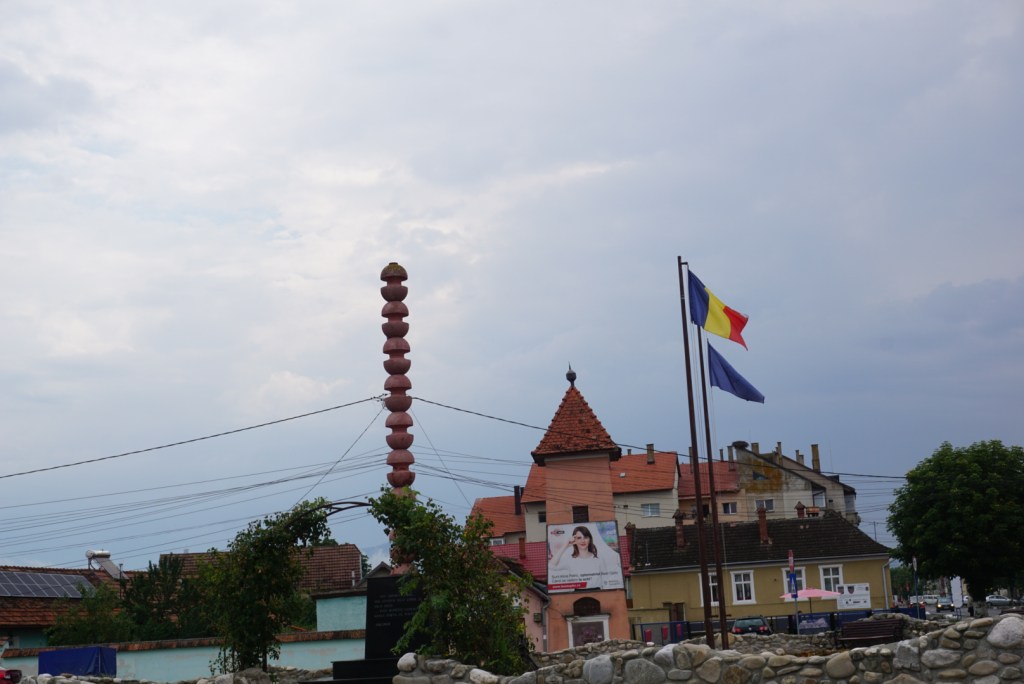
World War Monument in Prejmer town Square

Local guest house owner, Otto Vasarhelly, said: “It’s a problem because a lot of tourists come by bus, around 40 people and we don’t have any big hotels or guest houses. They only stay for an hour or two because they don’t have a place to stay, eat or drink”.

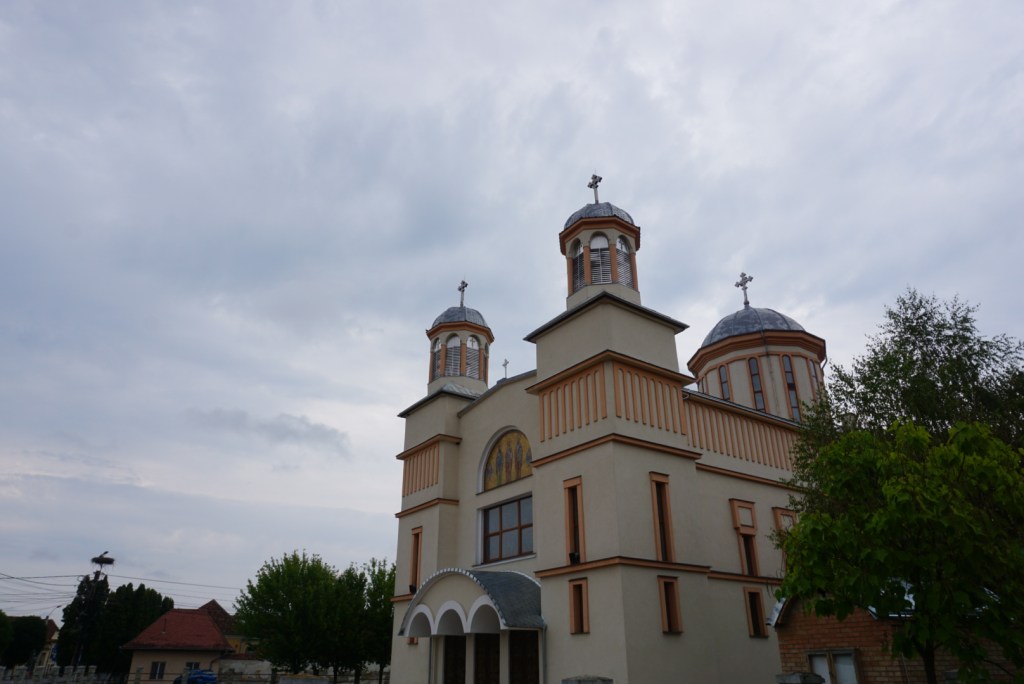
Orthodox church

Today, only a handful of the current population, around 10,000, is of Saxon heritage and even this is a mix of either Romanian and Hungarian.

Storks nesting in usual places such as on top of lampposts or chimneys is a common site in many Transylvanian villages. They are a symbol of positivity and are most commonly associated with the birth of a child. In Prejmer they can be found nesting near the fortified church.

Storks feeding young

The collapse of communism in 1990 had a big impact on the population of Prejmer with around 95 per cent of the population emigrating to Germany.

Vasarhelly said: “It’s not just one neighbour goes and another comes. The whole street goes and you have a whole street with new neighbours in three months. It was too radical”.

How to get to Prejmer

From Brasov catch a bus on the hour from Autogare Vest. The bus runs every 30 minutes during term time. The bus takes approximately 30 minutes.

Admission for the fortied church is 15 lei. Card is accepted. For opening hours and more information: https://romaniatourism.com/castles-fortresses-romania-prejmer-fortified-church.html

To visit

Chvrches- Screen Violence

Chvrches- Screen Violence 4/5

Chvrches fourth studio album ‘Screen violence’ is an ode to the horror film genre. It’s a hard concept to miss with the album title, Slasher film aesthetic cover; a hand grasping on screen under a blood coloured filter and references to horror film such as Nightmare on Elm Street littered throughout lyrics.

Despite the horror theme Chvrches haven’t ventured from their Synth-pop style/ Indietronica sound. The album opens with the cinematic ‘Asking for a friend’ showcasing some of singer’s Lauren Mayberry’s most brutally honest lyrics; “I cheated and I lied/ but I meant it when I cried.”

Lead single ‘He said She said’ tackles gendered expectations. The song cleverly uses auto-tune to replicate two different voices also using echoes to replicate voices in the head.

The rhythmic bass on ‘California’ evokes a hazy image of a Californian dream. The illusion shattered with Mayberry’s melancholic lyrics and sage advice: “No one ever tells ya/ There’s freedom in failure.”

‘How not to drown’ is a stand-out track, not only for its special guest appearance of The Cure’s Robert Smith but for its haunting, urgency.

‘Final Girl’ sounds like its straight out of a horror film with its creepy synth melody with the lyrics dealing with clichés found in horror films : In the final scene/There’s a final girl/ And you know she should be screaming now.”

The album finishes with the poignant ‘Better If You don’t’ which unusually for Chvrches is a guitar led track. Instrumentalist Martin Doherty, wrote on Twitter about the track: “I wrote the demo on a rainy day in Los Angeles. I was missing Glasgow. Then Lauren came in with lyrics and I missed Glasgow even more.”

Slotting perfectly into Chvrches’ discography ‘Screen Violence’ is a captivating thematic album which gets better and more infectious with each listen.

Poland’s LGBT Free Zones

A third of Poland is now an LGBT-free zone. March 2019 saw cities and local governments across Poland begin to sign “free from LGBT ideology” declarations. Over one hundred districts have signed, predominantly in the South East. These districts are called “LGBT-free zones” by activists.

National statistics show the highest migrant group in Scotland is Polish. Whilst the two countries share a long history, the difference between the two countries journey of LGBT rights is notable.

Poland was once more accepting of the LGBT community, being one of the first countries in Europe to decriminalise homosexuality in 1932, Scotland not until 1980.

Today, Poland is one of the few countries in the EU, which does not recognise any form of same-sex union. The latest ILGA-Europe Rainbow Map, which reviews LGBT human rights, scored Poland as the lowest in the EU with 13 per cent, the UK scored 64 per cent.

The declarations were a reaction to Rafał Trzaskowski, Mayor of Warsaw, who was trying to introduce LGBT education in schools.

The first district to sign a declaration was Świdnik County, Lublin. The statement said: “Świdnik, accepts the declaration ‘free from LGBT ideology’. Radicals striving for a cultural revolution in Poland attack freedom of speech, the innocence of children, the authority of the family and school and freedom of business.

“We do not agree to the illegal installation of political correctness in schools. We will guard the right to raise children consistent with the beliefs of the parents.”

Activists dispute the use of the term “Ideology”. Scott Cuthbertson is the development manager of the Equality Network, a Scottish LGBT equality and human rights organisation.

He said: “I don’t have an ideology as a gay man. I am a gay man and it’s my identity.

“By declaring an LGBT free zone, you are not saying there are no LGBT people here. You are forcing LGBT people to hide. You are forcing them to pretend to be people who they are not. You are causing trauma. You are causing pain.”

Scotland and the UK, although not perfect rank high for LGBT rights. Cuthbertson said: “We are one of the best-rated countries in the world. Although we are falling. Other countries advance mainly with rights for Trans and non-binary people, we are lagging on that.

“I did an exchange scheme about ten years ago. We brought some Polish LGBT activists over to pride in London and we attended Pride in Warsaw. I have to say they were two very different experiences. One being quite scary. It demonstrated to me how much we’ve got to do as a community. We are not free until we are all free.”

The North-Eastern city of Białystok signed a declaration soon after Świdnik. Dominika Ślizewska, a nursing student, grew up in Białystok and moved to Scotland four years ago.

She said: “Polish sexual education in schools is awful. I remember in sexual education being taught that gay men are gay because of their relationship with their parents. That they were too close to their mum or they didn’t have a dad.

“Basically, I was taught back in Poland that LGBT people are troubled. I was literally taught that in school. If I were to grow up in Scotland. I would not believe a word that I am saying about Poland.”

Xenophobia is a part of everyday life in parts of Poland. Śliewska said: “I had a happy life in Poland apart from a very young age, I experienced, even second-hand, racism, sexism and homophobia.

“All of that, you name it, it was there. I was growing up with those things being normalised. As soon as I got onto the internet. I realised this was not ok.”

Białystok held its first Pride march in July 2019, but the march ended up with homophobic protest resulting in police involvement.

Śliewska said: “It was an absolute shame. It was just people wanting to do a pride parade and it ended up with homophobic people throwing stones as if it was two hundred BC. It was just ridiculous. Newspapers all over the world were writing about it. It’s such a shame to have a thing like this associated with your hometown.

“Friends from my hometown who are gay, they feel a difference here in Scotland. Being able to just go outside and not worry for their lives. Because that is literally the case.”

Ordo Iuris is a Polish legal organisation that have connections to the Polish Government and religious organisations. They claim that there are no LGBT-free zones. A statement on their website said: “Local governments, passed declarations in which they object to ‘propagating the ideology of LGBT movements, which undermine the fundamental rights enshrined in the Polish Constitution and interfere with the autonomy of religious communities.

“It is not true that these declarations establish so-called “LGBT-free zones.”

The EU acknowledged the situation across Poland in a statement: “In response to the backsliding of LGBT rights in some EU countries, notably Poland and Hungary, MEPs declared the EU an ‘LGBT-Freedom Zone’. The EU has also stopped funding to towns in districts that have signed declarations.”

Ursula von der Leyen, President of the European Commission, in a state of the union speech said: “I want to be crystal clear LGBT-free zones are humanity free zones. And they have no place in our union.”

In March, the Polish Government closed a loophole that allowed same-sex couples to adopt. Now single applicants will be vetted, applicants who live in the same household as someone of the same sex will now not be allowed to adopt.

There is another type of legislation being passed by several local authorities which is causing concern for the LGBT community: The Family Charter, lobbied by the Ordo Iuris Institute.

The charter does not explicitly mention the LGBT community but it is implied. It says: “The Charter of Family Rights, is adopted as the protection of values in the Constitution of Poland, including the protection of marriage, being a union of a man and a woman, as well as the family, motherhood and parenthood, the right to protect family life, the parent’s right to rear their children by their convictions, and the child’s right to be protected against demoralisation.”

The charter also states funding will not be granted to organisations “that undermine the constitutional identity of marriage as a relationship between a man and a woman or the autonomy of the family.”

“Justification” for the charter is “ensuring its protection against influences of the ideologies that undermine its autonomy and identity.

Śliewska said: “In the LGBT free zones, People are saying that the lifestyle of the LGBT community is endangering the integrity of the family. The idea of the family is being attacked by people just trying to live their lives.”

The future for Poland’s LGBT community currently looks bleak as more and more laws come into place. With homophobic attacks and sentiment rising in neighbouring countries, things seem unlikely to change anytime soon but activists remain hopeful that Intervention from the EU will put an end to the zones.
Isle of Staffa

Seals nonchalantly eye the boat, as we pass by in the sound of Iona, as they laze on an open jut of rock. The boat quickly cruises away from Mull, away from the seals, away from Iona and into the Atlantic Ocean. Once ocean-bound, a school of bottle-nose dolphins, catching waves.

When first approaching the isle of Staffa, the vista is somewhat perplexing. The expectation of the glorious cave is briefly faltered from the first impression. Staffa, looking skewwhiff as if a giant squished the island underfoot (more on giants later) and grew a mossy flock of hair on top as it matured.

Staffa lies west of the Isle of Mull in Scotland’s Inner Hebrides. The island is uninhabited (by humans) and the only way to get there is via a private tour. These tours are reasonably priced and leave from both Iona and Fionnphort, Mull. The Atlantic is rough, only on calm days can the tourist boats dock on the island. Even the most tranquil summer days onshore can be rough out here.
The boat docks to the southeast of the Island. Once on land, you can either climb up the ladders to head north or turn left, follow the coast to the cave on the south.

Walking to the cave is an arduous task. Whilst the path is well maintained, the vicious swell of the Atlantic’s waves is a continuous threat. A roped railing leads the way from the docking point to inside the mouth of the cave. Even with good gripped shoes, you may still slip, holding onto the railing and keeping close to the wall is advised.

Ownership of the Island has changed many hands since it was first discovered in the 18th century. Since 1986 the Island has been under the care of the National Trust for Scotland. The name ‘Staffa’ coming from the old Norse for ‘pillar island’.

How was Fingal’s Cave formed?

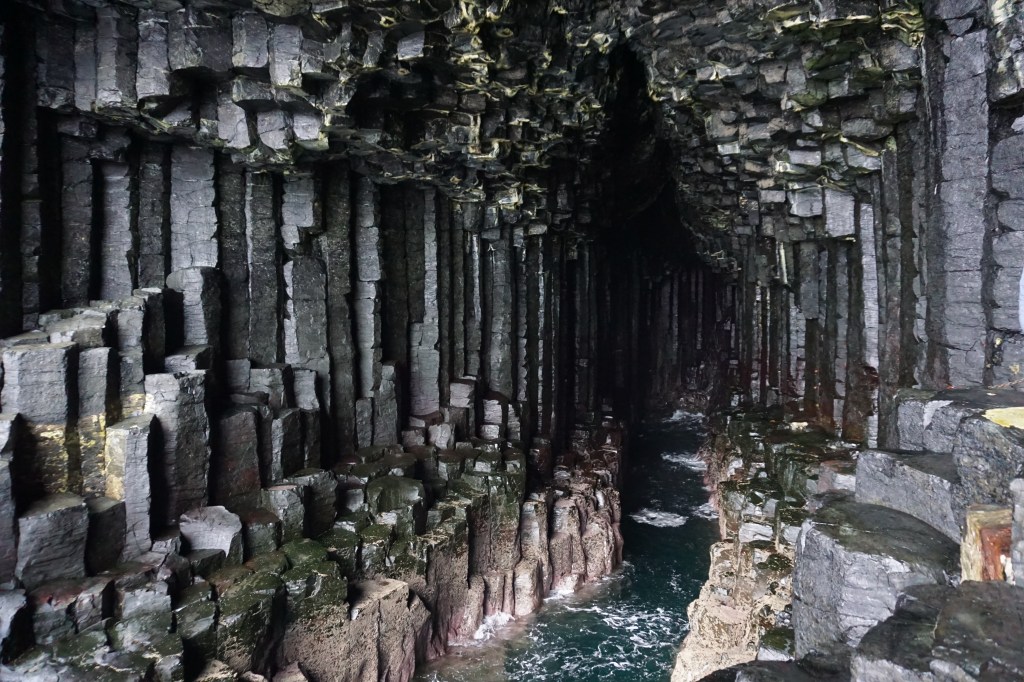
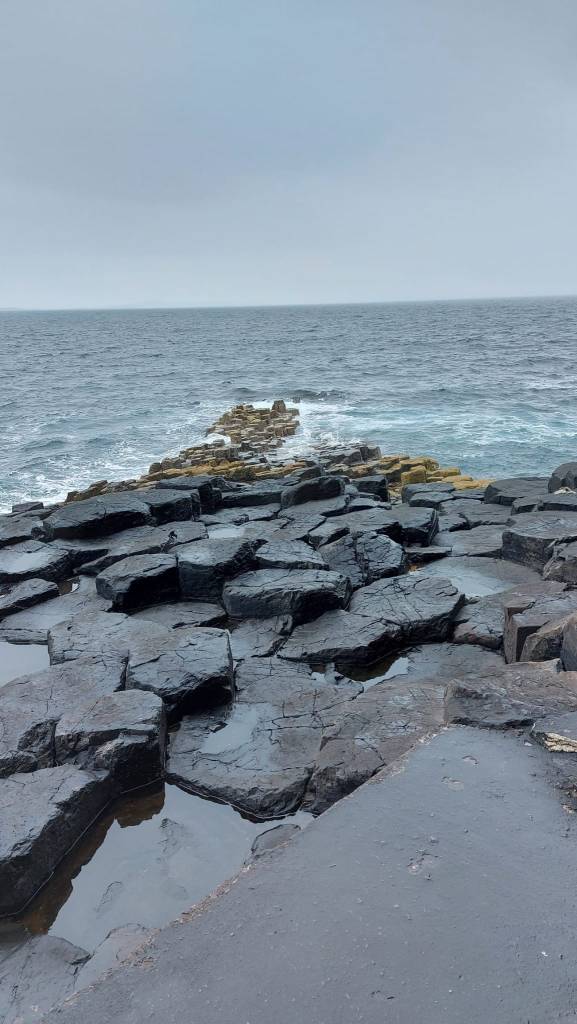
Fingal’s Cave is a sea cave formed of basalt rock and is famed for its unusually hexagonal columns and pillared walls. The cave is grand, not only in shape but also in stature, standing roughly 69 metres high and 12 metres wide.

Inside the cave, setting my eyes on the hexagon formation roof I am awestruck by the complexity. It’s a cubist interpretation of a cave. Just how is this natural? How did nature create something with such organisation and perfected shape?

The columns in the cave were formed by lava meeting the sea flowing down from the now dormant Ben More on the Isle of Mull in the Paleogene period some 60 million years ago. The same type of lava flow created the Giant’s Causeway in Northern Ireland.

The similar formations found at Giant’s Causeway led the way for folklore to connect a path between the two. The myth says that Irish warrior, Fionn Mac Cumhail built the causeway as steppingstones so he could walk to Scotland to fight Scottish giant, Benandonner. The James Macpherson epic poem ‘The Fingal of Ossian’ of which the cave gets its name is based on this myth.

Described by Wordsworth as ‘tuneful’; The acoustics inside the cave is unique, as it amplifies the sounds of the ferocious Atlantic waves. The sound inspired German composer Felix Mendelsohn to compose his Hebrides overture.

Puffins on Staffa

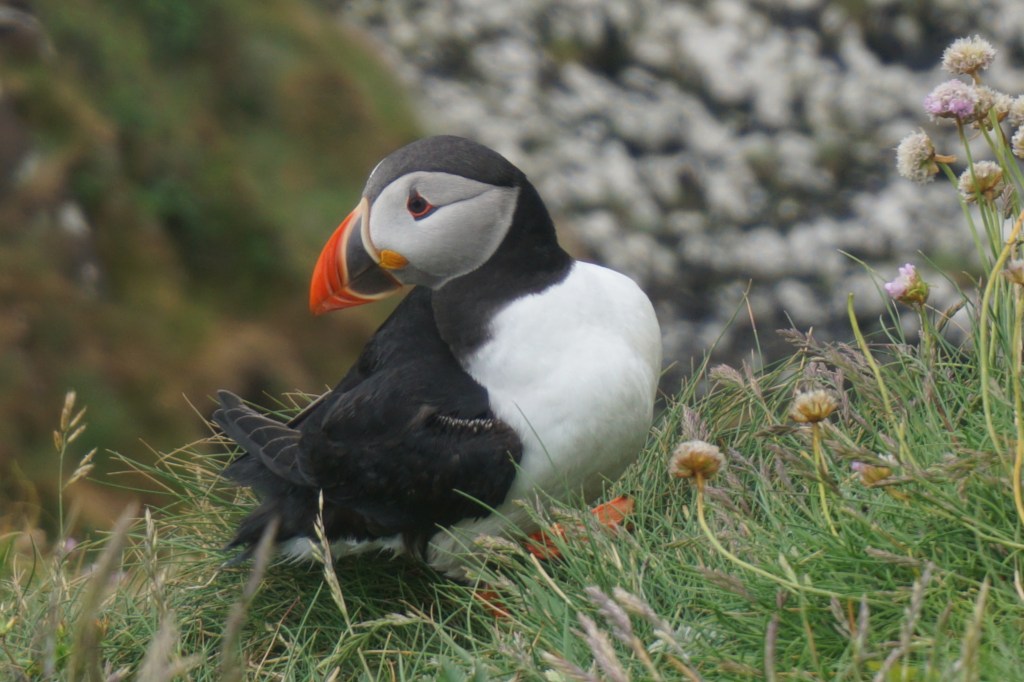
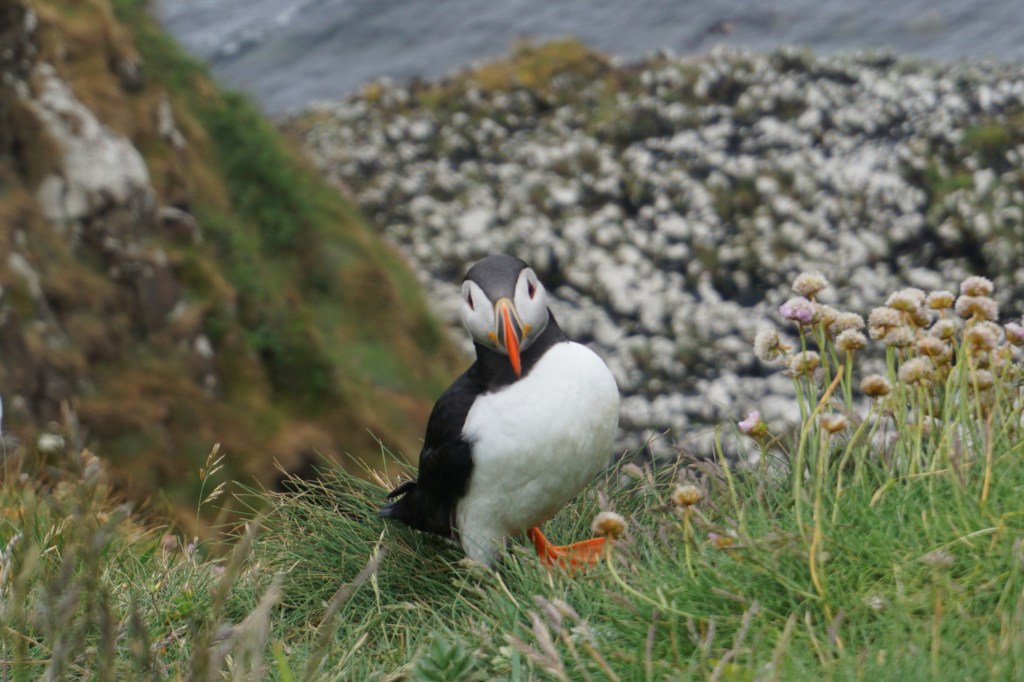
The pillared cave is the first image that the mind conjures up when thinking about the Isle of Staffa, but the cave isn’t all the island has to offer. The North East cliffs are home to a colony of Atlantic Puffins who steal the show.

From the docking point, climb up the stairs onto the top of the island. Follow the well-trodden path across the wild flowered grass to a pink bollard which is the prime puffin spot.

The Puffins come to the island during their breeding season between April and August. The seabirds are incredibly cute, abundant and don’t seem bothered by the presence of humans at all. It is almost as if they crave the attention of humans and know that they are on poseur duty. The more people who arrive; the more puffins came into land.

Pictures don’t do these birds justice, yet all anyone can do in their presence is attempt to do so. The birds are surprisingly tiny. Bobbing their heads in and out of their cliffside burrows almost incognito until your eye catches an orange splash.

With their clown-like faces, cartoonish figures of beaks too large for their bodies these beautiful sea birds are often referred to as ‘clowns of the sea’. Their routine: adorable comical landings, a sort of waddle hover mid-air with feet propped forward.

Whilst puffins are plentiful on Staffa and other sea cliffs throughout the UK; unfortunately, Puffins are on the red list of endangered UK birds. The RSPB says the UK is home to ten per cent of the world’s Puffin population. Puffins are at risk due to environmental changes affecting breeding habits and the fish they feed on. Predators such as minks and cats are also a threat on the ground.

Standing on top of Staffa feels as if you are at the end of the world. On the North of the Island, you can walk on ground that has seldom been touched. Fresh. Untouched. Unaltered. Not yet damaged by the human race.

Wordsworth was underwhelmed with his trip to Staffa due to the crowds on the island; ‘We saw, but surely in the motley crowd’. Today it is hard to imagine the over-tourism he spoke off in his poem ‘Cave of Staffa’ amidst the island’s isolation. I’d like to think that since the National Trust took over the Island that tourist numbers are restricted and controlled to a sensible level but frankly, we live in a more populated world than Wordsworth did. As much as Staffa yearns you to seek solitude the sad truth is that isn’t possible here and that’s the way it should be.

Staffa will make you question many preconceptions, keeping you humble. The ruthlessness and power of nature can truly be felt. The rush of the water as you walk to the cave reminds you of the volatility of nature. These waves could easily engulf you; Everyone is vulnerable here. Yet it is humans that are causing real damage to the sea, to the wildlife, to the fauna. It’s hard to believe standing here, something as savage as this sea is endangered by us mere feeble humans.

To book your trip to the Isle of staffa: http://www.staffatours.com/

Isle of Iona

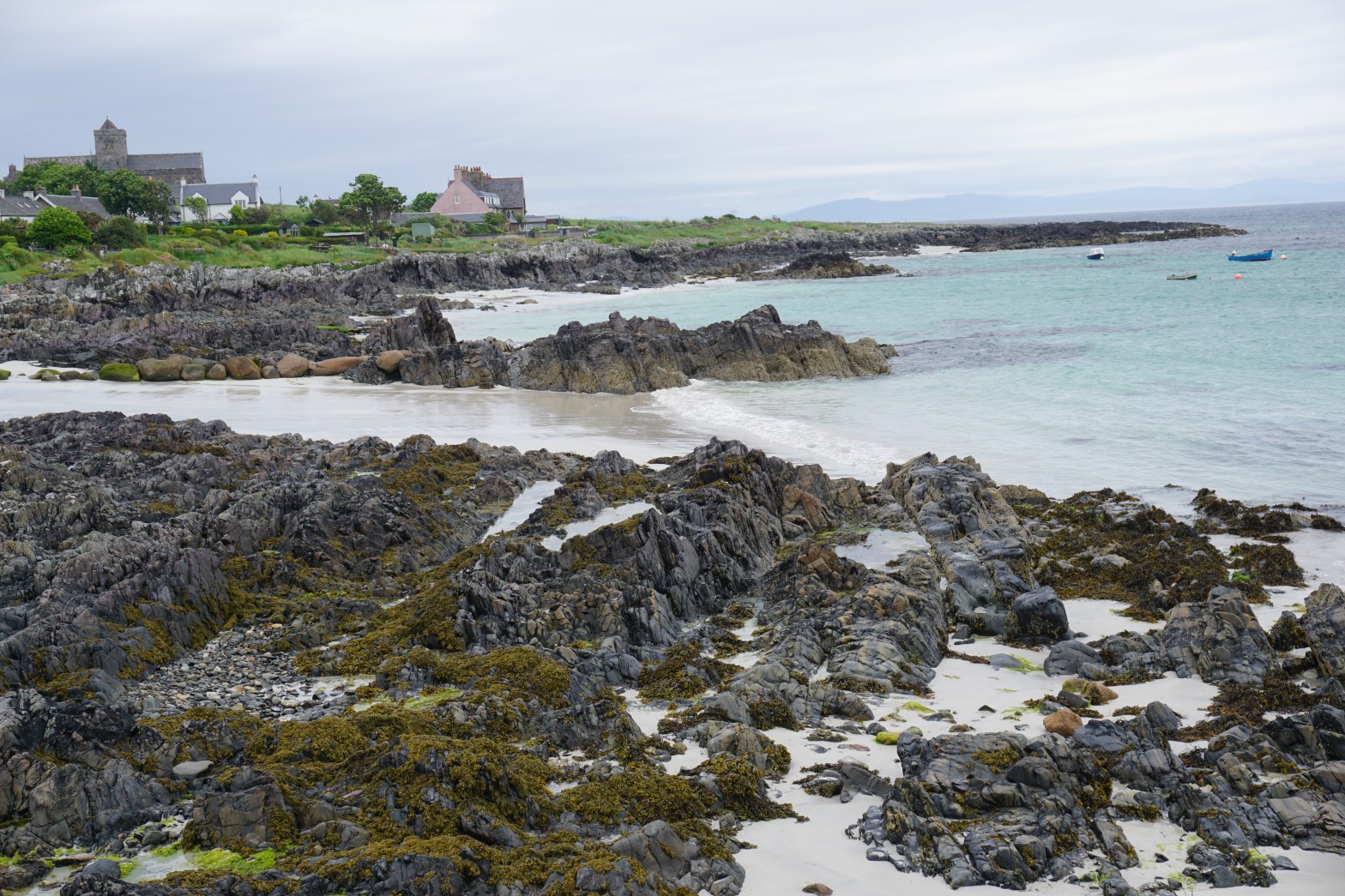
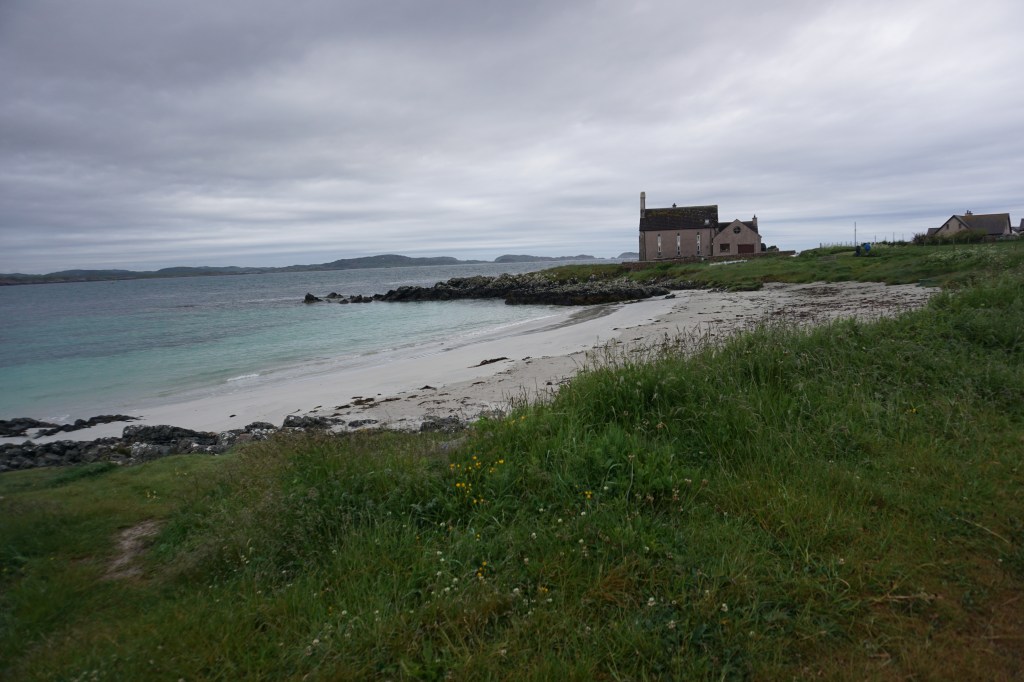
After an arduous journey, when you finally eye the sugar-white sands and teal glassed water of Iona, you would be forgiven to think that you were somewhere far more exotic than within the Paisley postcode.

It’s neither quick nor easy to get to Iona: an island, off an Island, off an Island. Iona is a small island in the Inner Hebrides, on the west coast of Scotland laying just off the southwest of the Isle of Mull. There is a reason why this three-mile-long island with a population of one hundred thirty sees roughly 130,000 visitors every year.

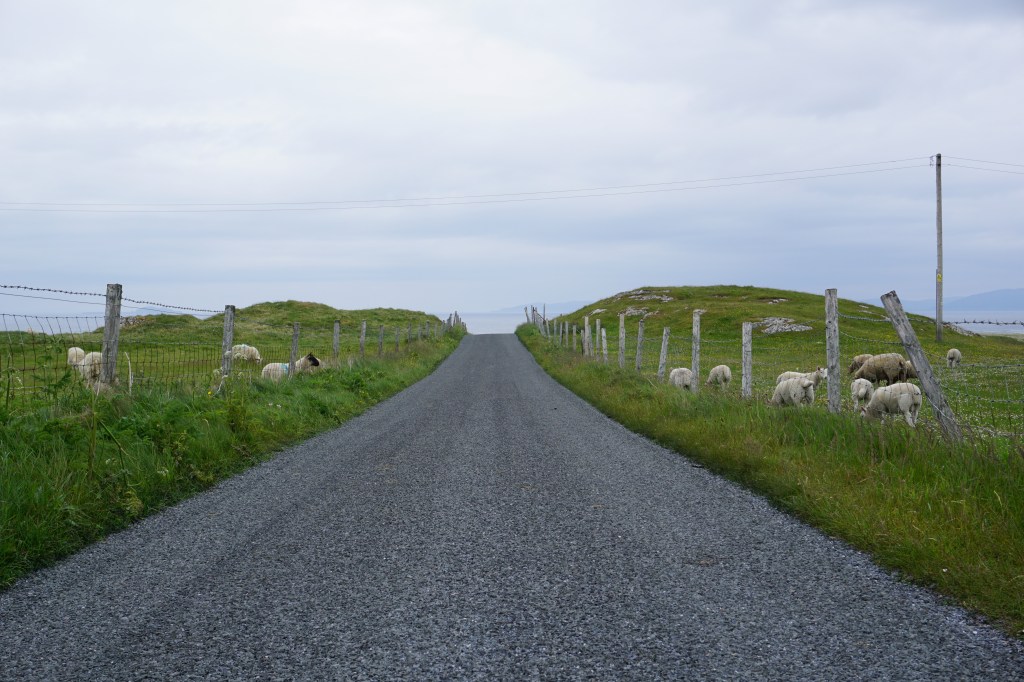
Stepping onto the shore of Iona there is a notable alteration from Mull. The roads surface, I notice are not tarmac but more gravel-like. It’s insignificant for a non-driving visitor but it seems symbolic, tangible evidence of the perceived difference. Iona is quieter, greener, fresher.  There are not many places where you can sip a locally distilled gin whilst the next table over a nun enjoys afternoon tea.  

On Iona, you are never far away from a sheep, a constant murmur of ‘baa’ follows you wherever you are on the island. The weather on the island is inconsistent and worth considering when planning activities. 

The Birthplace of Christianity in Scotland

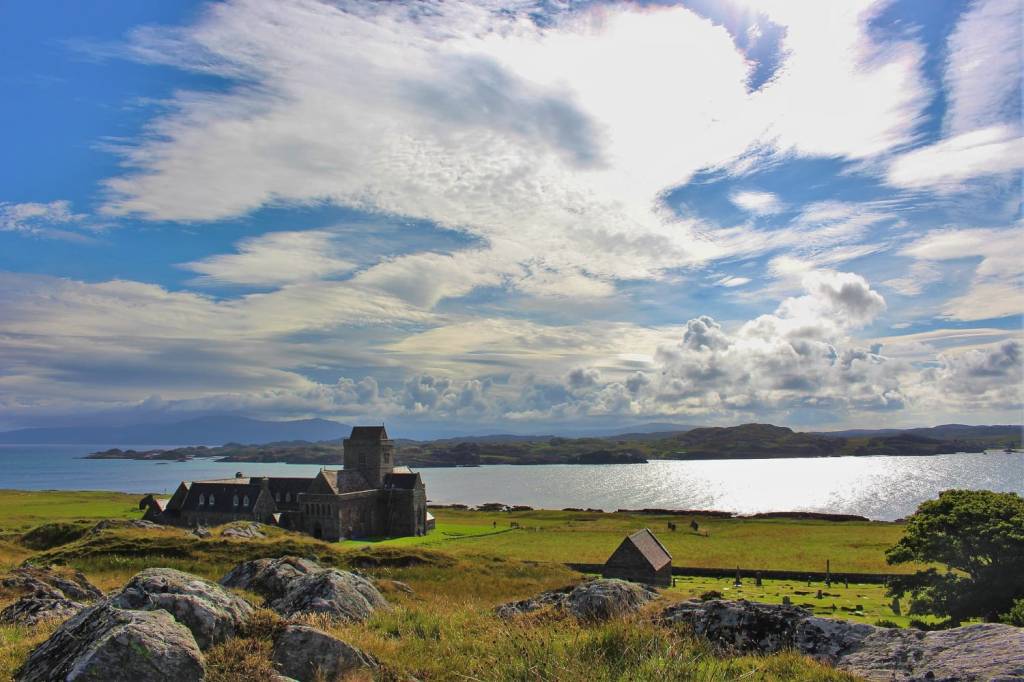
Iona is said to be Scotland’s most sacred place. St Columba and his monks arrived on the island in the year 563 bringing with them Christianity from Ireland to Scotland. Once settled on the Island, St Columba and the monks founded Iona Abbey, which has attracted Christian pilgrimages ever since. The book of Kells was said to have been produced by monks on the Island. The abbey has seen many forms over the years, today the Abbey is maintained by Historic Scotland and open to visitors. Currently, visits are by guided tour and booked in advance online. St Columba is buried on the island within the Abby grounds along with several medieval monarchs including Macbeth.  For tickets and more information: Iona Abbey and Nunnery | Historic Environment Scotland | HES

To get to the abbey from the ferry walk straight ahead through the village (Baile Mor) and turn left, keep walking on the North road and you will find the Abbey on your left. Don’t skip the village entirely: pop into one of the local shops to get a unique craft souvenir or indulge in afternoon tea at the Argyll Hotel on the waterfront. 

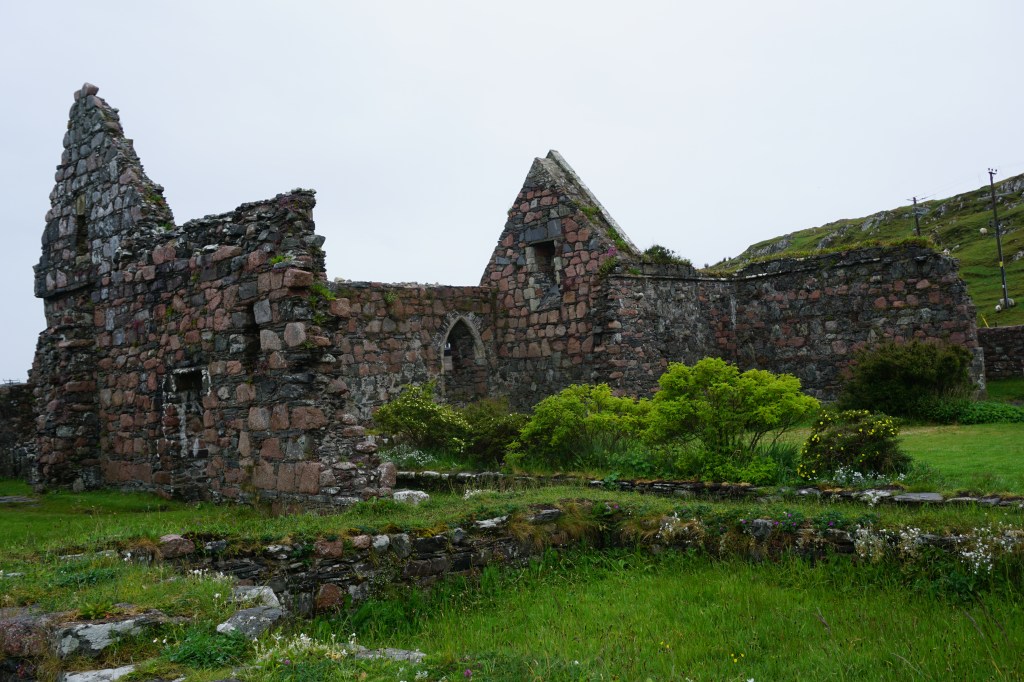
En route to the abbey, you can also take a scenic path via the nunnery. Admission to the nunnery is free and open year-round. The nunnery was established in the 12th century but left to ruin after the reformation. The convent was one of two Augustinian nunneries in Scotland and was active for more than 350 years. A plaque at the nunnery gives some insight into who the nuns were: “Many nuns came from noble families. The convent provided refuge for unmarried daughters, widows, illegitimate girls and estranged wives. Far from leading lives of poverty and seclusion, these women had daily contact with the outside world.”

Iona Nunnery

The land, The Beaches

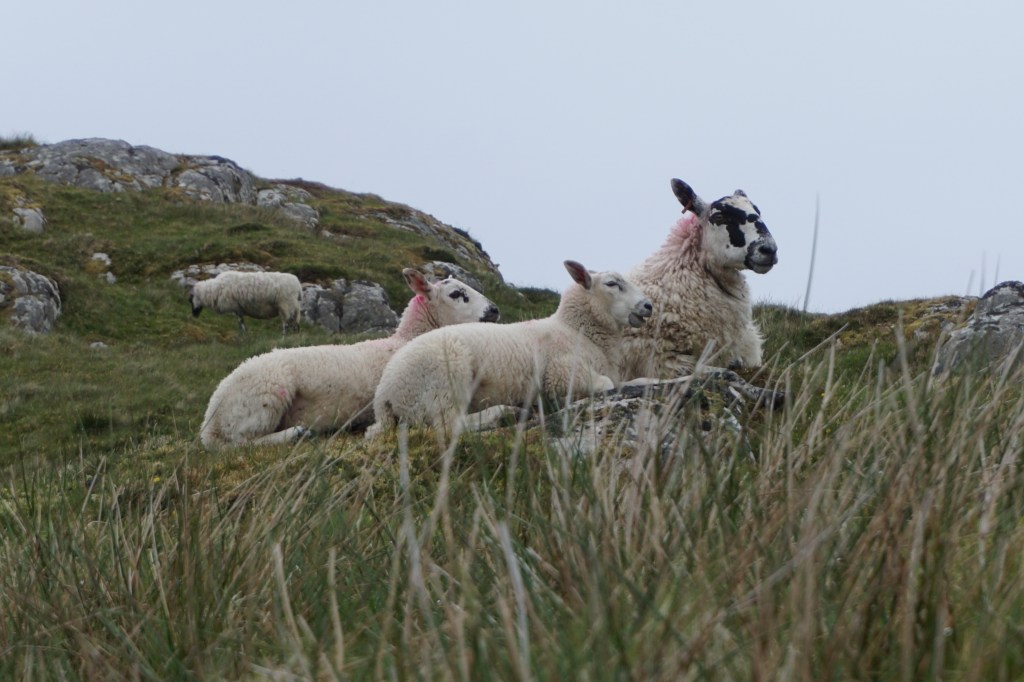
Iona’s highest point is Dun I (‘The Hill of Iona’ in Gaelic) standing at 101 metres above sea level. The climb to the top is a relatively simple walk but there is no well-defined path to the summit and the terrain underfoot is uneven so wear sturdy shoes. As you hike up you will undoubtedly encounter several, if not dozens of sheep. As with most animals, the sheep will keep themselves to themselves if you also do so. They will happily ‘baa’ some encouragement as you trek by and pose majestically as they stare out onto the Atlantic.

Sheep on Dun I

From the top of the hill even on a cloudy day you can get a good view of the rest of the island and find your bearings. The Abby and Mull are visible to the East, the white sandy beaches to the north. On a clear day, you can see the islands of Coll, Tiree and the Treshnish and even as far as Ireland! 

White Strand of the Monks

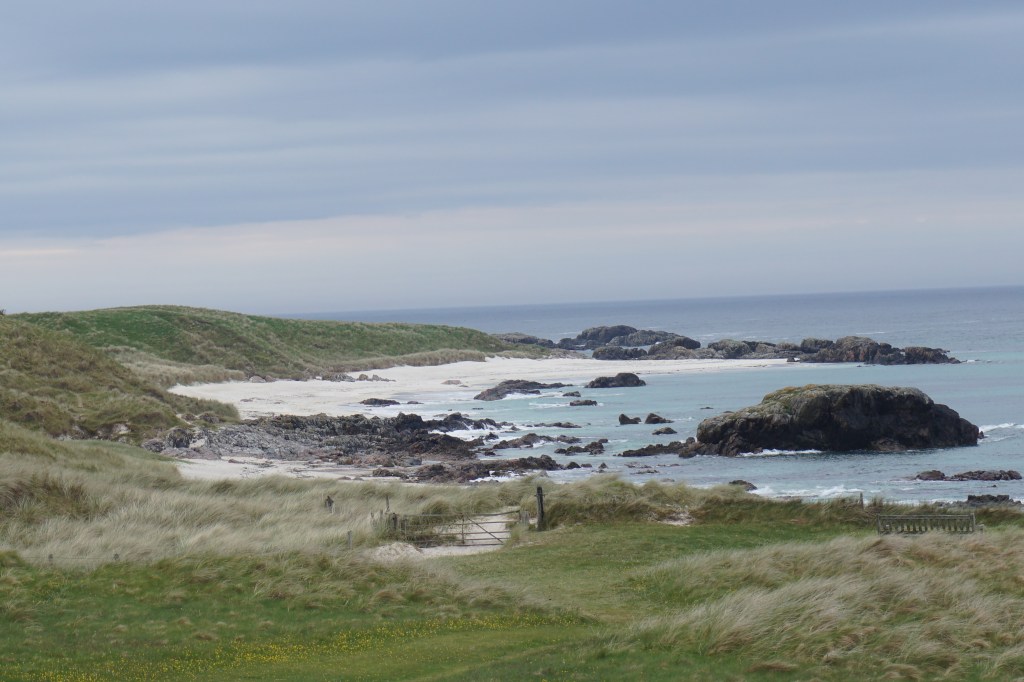
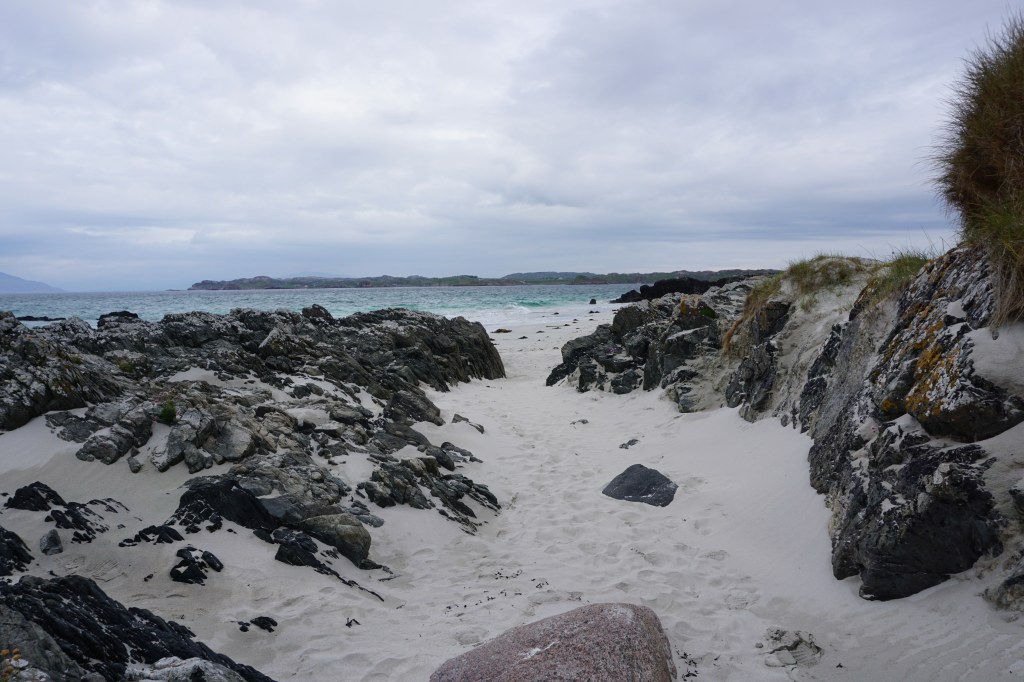
Iona’s beaches are some of Scotland’s finest and could easily dupe you into thinking you were somewhere with a tropical climate with their white sands and translucent water. On the northeast shore, you will find the white strand of the monks (Traigh Ban Nam Manach). From this stretch of sand, you can get an excellent view across the Sound of Iona onto Mull. This vista point was an inspiration for Scottish colourist Peploe.

Martyr’s bay

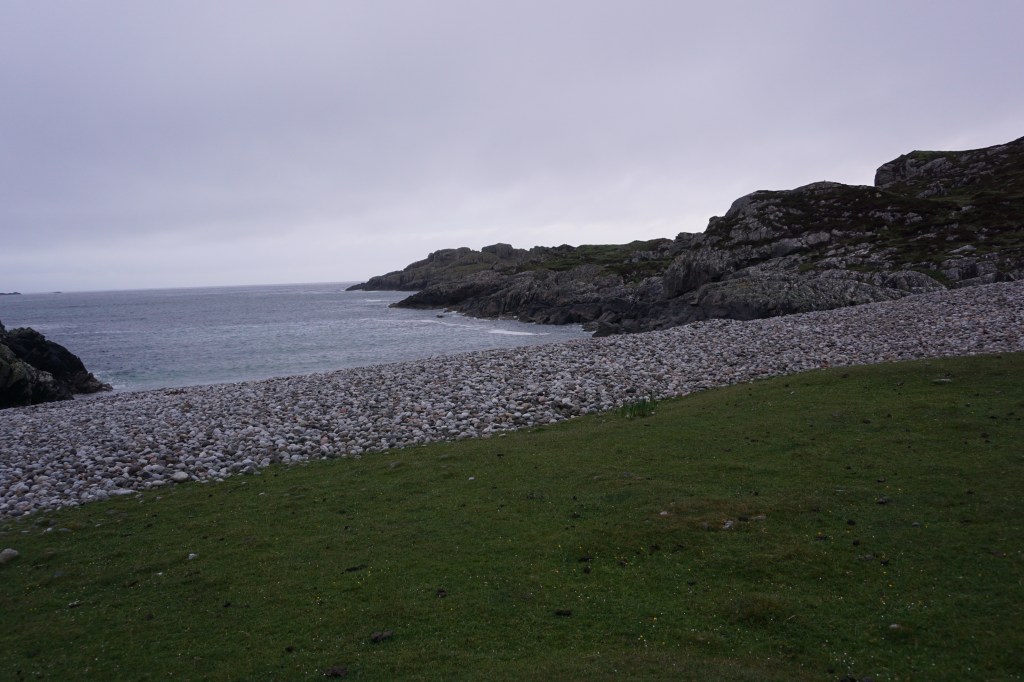
On the south coast of the island, you will find St Columba’s Bay, a pebble beach where St Columba was said to have arrived on to Iona. When walking to the bay, take the path from the West coming from The Machair across the golf course and past Loch Staonaig. Do not take the path coming from the easterly side of the island heading south towards Marble Quarry unless you want to replicate an experience likely close to that of St Columba’s venture on the island through thick boggy marshland with no defined path.  At the bay, tear dropped shaped marbles can be found. These are known as St Columba’s tear. It is thought that carrying one of these marbles in your pocket will protect you from drowning.

St Columba’s Bay

The island sees a flurry of visitors yet manages to maintain its tranquillity. Whilst the village and roads to the abbey can feel like a theme park when chalked full with tour groups, there are parts of the south coast where you can walk for hours and the only living being you come across is a Corncrake and of course, a plethora of sheep.  Many have said that there is a spirituality surrounding the island. Now whether this thought has been implanted before your visit or not it seems impossible not to feel some sort of a presence. Whether it’s rooted in spirituality, mythology or even just the atmosphere, Iona does have a special presence that will imprint itself and linger with you and certainly will come to mind next time you hear a sheep.

A great source to help you plan your trip and on all things Iona: Isle of Iona – Home (welcometoiona.com)

The North Road

How to get to Iona?

From the mainland take the ferry from Oban to Craignure, Mull. Currently, tickets need to be booked in advance online. 

Journey time: Approx. 50 mins.Check-in closes 10 minutes before departure.

Price: Adult Return Foot Passenger £7.60. Returns are valid for a month.

For more information, all ticket details and up to date timetables:  Ferries to Scotland & Scottish Isles | Caledonian MacBrayne | CalMac Ferries

From Craignure you can either drive or take the bus to Fionnpfort. Please note you cannot take your car on the Iona ferry, although there is parking at Fionnphort Ferry terminal. 

Bus details: Journey time: Approx. 1 hour 20 minutes. Price: Adult Return £17.00. Returns are valid for a month.

For more information, all ticket details and up to date timetables:  West Coast Motors – Bus Tour Operator – Argyll, Scotland

Ferry to Iona

Journey time: 10 minutes Price: Adult Return £3.60. Returns are valid for a month. Tickets can be purchased on board.

For more information, all ticket details and up to date timetables: https://www.calmac.co.uk/article/7817/Iona-Fionnphort-Iona

Protest after Asylum Seeker collapses in Glasgow immigration dawn raid

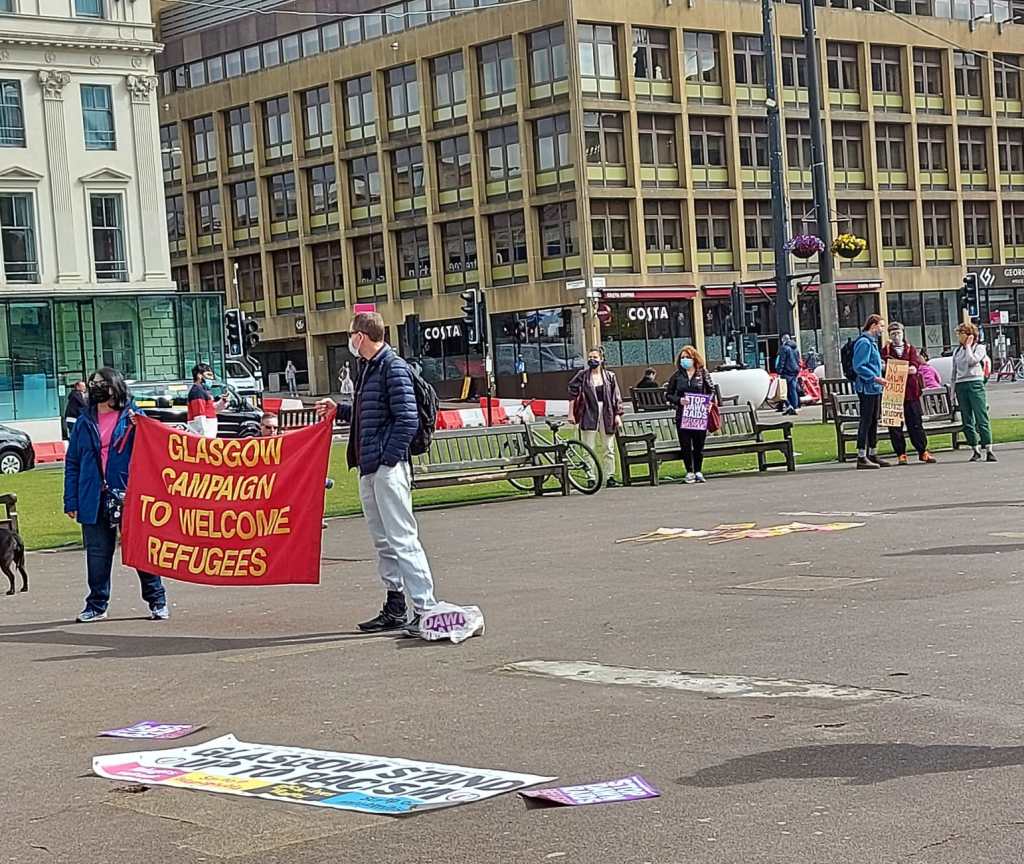
Pictured: Campaigners and councillors hold a banner in George Square protest against dawn raids.

Demonstrators gathered in Glasgow last week to object to dawn raids of asylum seekers after a Maryhill man collapsed during a raid. The man was taken to hospital after falling ill when immigration officers unexpectedly arrived at his home.

Officers arrived at seven in the morning to detain and deport, the 67-year-old man and his family on the 23rd of April. The Maryhill man, who has underlying health issues, told the crowd In George square, via telephone about his experience.

He said: “I asked them about my medical condition and my wife’s condition. Then I fell on the floor. I don’t know what happened to me.

“I shocked even my family. My daughter, she was crying. They told me you are not a refugee we will come again.”

Video: Maryhill man tells his experience; Interview with representative of campaign group; crowd chanting

The raid stopped when the man was taken to hospital. The family were in the process of appealing a rejected claim for refugee status and received no warning they would be visited by the Home Office.

“Amplify the voices who cannot be here”

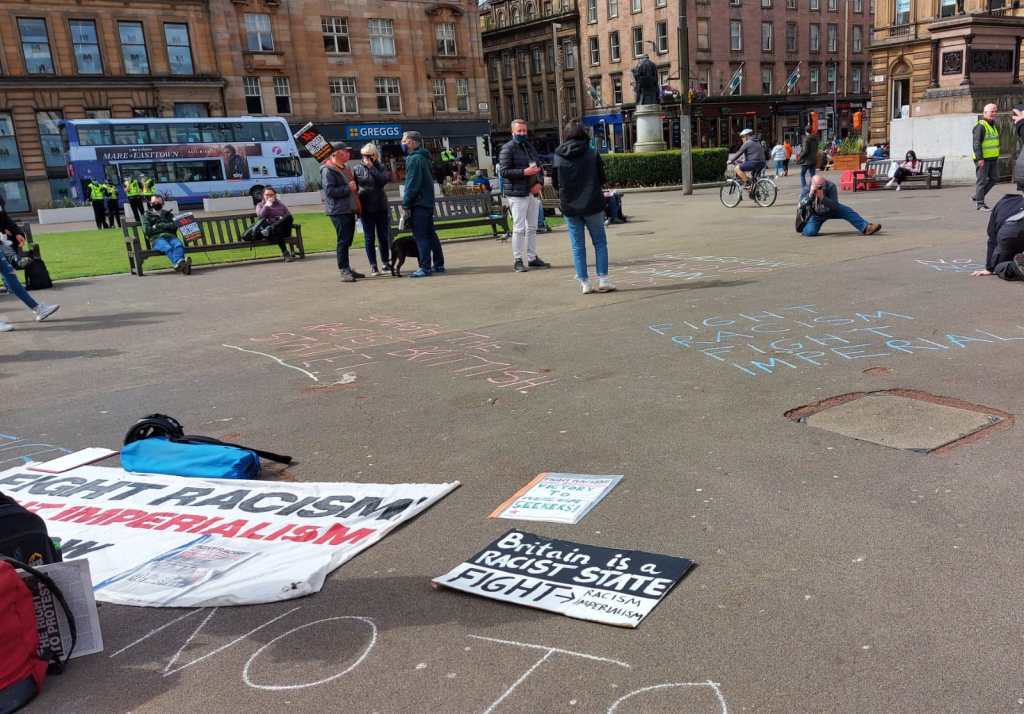
Campaigners held signs, chalked slogans on the square and chanted: “Say it loud and say it clear, refugees are welcome here.”

Dania Thomas, Ubuntu Women Shelter said: “We are here to raise awareness and amplify the voices who cannot be here as they are either in detention or they are in the process of being deported. Taxpayers’ funds go to into keeping this hostile environment.”

Refugees Welcome

Glasgow hosts the most asylum seekers in the UK. Dawn raids stopped in Glasgow 15 years ago after protests.

Thomas said: “The treatment of refugees is on all of us. They are seriously unsafe and afraid of existing in this city.”

Glasgow MP’s called on Priti Patel, Home Secretary, to “halt such inhumane practices” in a letter concerning dawn raids.

The return of dawn raids comes as refugees have been given the right to vote for the first time in the Scottish Parliament elections.

The protest was organised by several campaign groups from across the city. Protesters wore masks and were socially distanced. 

For more information on refugees and asylum seekers please see: Refugees, Asylum-seekers and Migrants | Amnesty International